• Skip to primary navigation
  • Skip to main content
  • Skip to primary sidebar
  • Privacy Policy
  • Terms and Conditions
  • Write for us
  • Contact Us

Juicer Survey

Best Juicers Reviews for Home + Sports News Blog

  • Home
  • Juicer
  • Blender
  • Blog
  • About Us

Is Apple Juice A Diuretic? Everything You Need To Know

February 4, 2024 by Thomas Keller Leave a Comment

If you love apple juice, chances are that you’ve heard conflicting opinions about its effects on the body. Some people claim that it is a diuretic, while others argue that it has no such property.

So which side is right? Is apple juice a diuretic or not?

In this article, we’ll take an in-depth look at the properties of apple juice and whether or not it can be classified as a diuretic. We’ll explore what diuretics are, how they work, and what specific substances in apple juice could potentially have diuretic effects.

By the end of this article, you’ll have all the information you need to make an informed decision about whether to include apple juice in your diet if you’re concerned about fluid balance and urinary output.

What Is A Diuretic?

Diuretics are substances that increase the production of urine by the kidneys. They can be either natural or synthetic, and they work in different ways to remove excess fluids from your body.

Some diuretics act on specific parts of the kidney while others affect the whole organ.

Diuretics have been used for centuries to treat various medical conditions such as hypertension, edema, heart failure, liver disease, and kidney stones.

Additionally, some people use diuretics as a weight-loss supplement because it helps them shed water weight quickly.

However, using diuretics without proper medical advice can lead to dehydration and other health complications.

Therefore, it’s important to understand how do diuretics work in the body before taking them.

How Do Diuretics Work In The Body?

Diuretics are medications or substances that increase the amount of urine your body produces. They work by stimulating the kidneys to remove excess salt and water from the bloodstream, which helps reduce fluid buildup in the body.

Diuretics can be used to treat various conditions such as high blood pressure, heart failure, liver disease, and kidney problems. There are different types of diuretics available today, but they all function similarly in terms of increasing urine output. Some common examples include thiazide diuretics, loop diuretics, potassium-sparing diuretics, and osmotic diuretics.

Each type works differently and may have varying side effects depending on factors like dosage and individual health status. Diuretics can cause dehydration if not taken properly. Certain foods like coffee and tea can also act as mild diuretics. Overusing diuretics can lead to electrolyte imbalances that may induce serious consequences.

Common Diuretic Substances

If you’re looking to alleviate bloating and excess water retention, diuretics might be the answer.

Diuretics are substances that increase urine production in our bodies, which can help reduce swelling due to fluid buildup.

Some common examples of diuretic substances include caffeine, alcohol, and certain medications.

However, it’s important to note that not all diuretics are created equal.

While some may work quickly and effectively, others can have negative side effects on our health.

It’s always best to consult with a healthcare professional before incorporating any type of diuretic substance into your routine.

Properties Of Apple Juice

While there are many common diuretic substances, apple juice is not typically classified as one of them. Diuretics work by increasing urine production and decreasing the amount of water in the body, but apple juice does not have this effect to a significant degree.

However, that’s not to say that apple juice doesn’t have its unique properties. Here are three interesting facts about apple juice:

  1. Apple juice contains natural sugars like fructose, which can provide energy without causing a spike in blood sugar levels.
  2. It also contains antioxidants like vitamin C and polyphenols, which may help protect against cell damage and reduce inflammation.
  3. Some studies suggest that drinking apple juice may even improve cognitive function, although more research is needed in this area.

So while apple juice may not be a diuretic per se, it still has potential health benefits worth considering. But does apple juice increase urine production? Let’s find out.

Does Apple Juice Increase Urine Production?

Yes, apple juice is considered a natural diuretic. Diuretics are substances that increase urine production and promote the elimination of excess fluids from the body.

Apple juice contains compounds like potassium and pectin which help to regulate fluid balance in the body by increasing urine output.

While there is no specific recommended dose of apple juice for its diuretic properties, drinking it regularly can have several benefits. However, people with kidney problems or diabetes should be cautious about consuming large amounts of apple juice as it may affect their blood sugar levels or exacerbate existing health conditions. It’s always best to consult a healthcare professional before making significant changes to your diet or taking any supplements.

Moving on, let’s explore some potential benefits of using apple juice as a diuretic and how it can positively impact our overall health.

Potential Benefits Of Using Apple Juice As A Diuretic

While apple juice may have diuretic properties, it also offers various additional health benefits. Apples contain antioxidants and flavonoids that can boost immune function, reduce inflammation, and improve heart health.

Moreover, drinking apple juice regularly has been linked to a reduced risk of chronic diseases such as type 2 diabetes and certain types of cancer.

If you are considering using apple juice as a natural diuretic, here are three potential benefits:

  • Apple juice is relatively low in calories compared to other fruit juices.
  • It contains vitamins C and A, which support healthy skin and vision.
  • The high fiber content in apples helps regulate digestion and prevent constipation.

Overall, incorporating apple juice into your diet in moderation could offer many potential health advantages alongside its possible role as a natural diuretic.

However, before adding any new foods or supplements to your routine, it is important to understand the precautions needed for safe use.

Is Apple Juice A Diuretic

Precautions To Take When Using Apple Juice As A Diuretic

While there are several potential benefits to using apple juice as a diuretic, it is important to take certain precautions.

First and foremost, excessive consumption of apple juice can lead to electrolyte imbalances and dehydration. Therefore, it is crucial to drink plenty of water in conjunction with consuming apple juice as a diuretic.

Furthermore, individuals who have kidney disease or other pre-existing medical conditions should consult with their healthcare provider before incorporating apple juice into their diet for its diuretic properties.

In addition, those taking medication that affects fluid balance in the body should also speak with their doctor before using apple juice as a diuretic.

Overall, while there are benefits to using apple juice as a natural diuretic, caution must be taken and professional guidance may be necessary depending on individual circumstances.

As an alternative to using apple juice as a diuretic, there are several other options available.

Herbal teas such as dandelion root tea and green tea have been shown to have mild diuretic effects. Additionally, foods high in potassium like bananas and sweet potatoes can help regulate fluid levels in the body without causing dehydration.

It is important to note that these alternatives may not work as effectively as traditional diuretics prescribed by healthcare providers for specific medical conditions.

Alternatives To Apple Juice As A Diuretic

If you’re looking for alternatives to apple juice as a diuretic, there are plenty of options available.

One popular choice is cranberry juice, which has been shown to have similar diuretic effects while also providing additional health benefits such as preventing urinary tract infections.

Another option is herbal teas such as dandelion or nettle tea, both of which have natural diuretic properties.

Additionally, increasing your intake of certain foods like watermelon and cucumber can help flush out excess fluids thanks to their high water content.

Experiment with different options and see what works best for you in terms of taste and effectiveness.

As mentioned earlier, apple juice does provide some nutritional benefits despite not being a strong diuretic.

In the next section, we’ll explore these benefits in more detail and why incorporating apple juice into your diet may still be worth considering.

The Nutritional Benefits Of Apple Juice

Apple juice is not only tasty but also packed with nutrients that our body needs. It contains vitamins and minerals like vitamin C, potassium, and antioxidants that help boost the immune system and prevent chronic diseases.

Here are some of the nutritional benefits of apple juice:

  • Vitamin C: One glass of apple juice can provide up to 20% of your daily recommended intake of vitamin C which supports a healthy immune system.
  • Potassium: Apple juice has high levels of potassium which helps regulate blood pressure and maintain heart health.

On top of these benefits, apple juice is low in calories compared to other fruit juices making it an excellent choice for those trying to lose weight or manage their calorie intake. In addition, its naturally occurring sugars make it a healthier alternative to processed drinks containing added sugars.

Overall, adding a glass or two of apple juice to your diet can be beneficial for maintaining good health.

Moving on from the nutritional benefits, let’s explore whether apple juice acts as a diuretic or not.

Is Apple Juice A Diuretic?

As we have seen, apple juice is packed with essential nutrients and antioxidants that can benefit your health in numerous ways. From improving brain function to reducing the risk of chronic diseases like heart disease and cancer, drinking apple juice regularly can be a great addition to a healthy diet.

But what about its diuretic properties? While some studies suggest that apple juice may have mild diuretic effects due to its potassium content, others argue that it’s not strong enough to make a significant difference.

Ultimately, whether or not you consider apple juice a diuretic depends on your definition of the term and your response to the beverage. So if you enjoy drinking apple juice, go ahead and savor it without worrying too much about its potential diuretic effects!

Frequently Asked Questions

Can Drinking Too Much Apple Juice Have Negative Effects On The Body?

Drinking too much apple juice can have negative effects on the body.

While apple juice is a healthy beverage option, consuming excessive amounts of it can lead to various health issues such as tooth decay due to its high sugar content.

Additionally, drinking too much apple juice may cause diarrhea or gastrointestinal discomfort in some people.

It’s important to consume apple juice in moderation and balance it with other healthy food choices to maintain a well-rounded diet.

Are There Any Other Potential Benefits Of Drinking Apple Juice Besides Its Diuretic Properties?

Are there any other potential benefits of drinking apple juice besides its diuretic properties?

Absolutely!

Apple juice is packed with essential vitamins and nutrients, including vitamin C, potassium, and antioxidants.

It can help boost your immune system, improve digestion, and even promote heart health.

However, it’s important to consume apple juice in moderation as too much can lead to negative effects on the body such as tooth decay or elevated blood sugar levels.

So go ahead and enjoy a refreshing glass of apple juice, just remember to drink responsibly.

How Much Apple Juice Should Be Consumed To See Its Diuretic Effects?

To see the diuretic effects of apple juice, it’s important to understand how much should be consumed.

While there is no exact amount that guarantees these benefits, drinking 16-20 ounces of apple juice per day may help increase urine output and promote hydration.

However, it’s important to note that individual responses to apple juice may vary and excessive consumption can lead to negative side effects such as stomach discomfort or diarrhea.

As with any dietary change, consulting a healthcare professional is recommended before making significant adjustments to your intake of apple juice or any other food or beverage.

Does The Type Of Apple Used To Make The Juice Affect Its Diuretic Properties?

Does the type of apple used to make juice affect its diuretic properties?

It’s a common question among health enthusiasts seeking natural ways to manage their fluid balance.

While some studies suggest that certain apple varieties like Granny Smith may have higher levels of potassium and other nutrients linked with increased urine production, there is no clear consensus on whether one type of apple is superior for diuresis than others.

Ultimately, the overall composition of the juice – including sugar content, fiber content, and processing methods – may play a more significant role in determining its effect on your urinary output than the specific variety of fruit used.

Is It Safe To Use Apple Juice As A Diuretic For Individuals With Kidney Or Liver Problems?

It’s important to consider the safety of using apple juice as a diuretic for individuals with kidney or liver problems.

While some may turn to natural remedies like apple juice, it’s essential to consult a healthcare professional first.

This is because those with impaired kidney or liver function may not be able to handle excessive fluid loss and could experience negative side effects from increased urine output.

So if you have any concerns about using apple juice as a diuretic, it’s best to speak with your doctor before making any decisions.

Conclusion

In conclusion, apple juice can indeed act as a diuretic due to its high water and potassium content. However, it is important to consume it in moderation and not rely on it solely for its diuretic properties. Drinking too much apple juice can have negative effects on the body such as increasing blood sugar levels and causing diarrhea.

Despite this, there are other potential benefits of drinking apple juice that should be considered. It is rich in antioxidants and vitamins C and A which support overall health.

As with any food or drink, it is important to speak with a healthcare professional before using apple juice as a diuretic if you have kidney or liver problems.

Overall, incorporating moderate amounts of apple juice into your diet may provide various health benefits while aiding in fluid elimination when needed.

Filed Under: Apple Juice, Blog

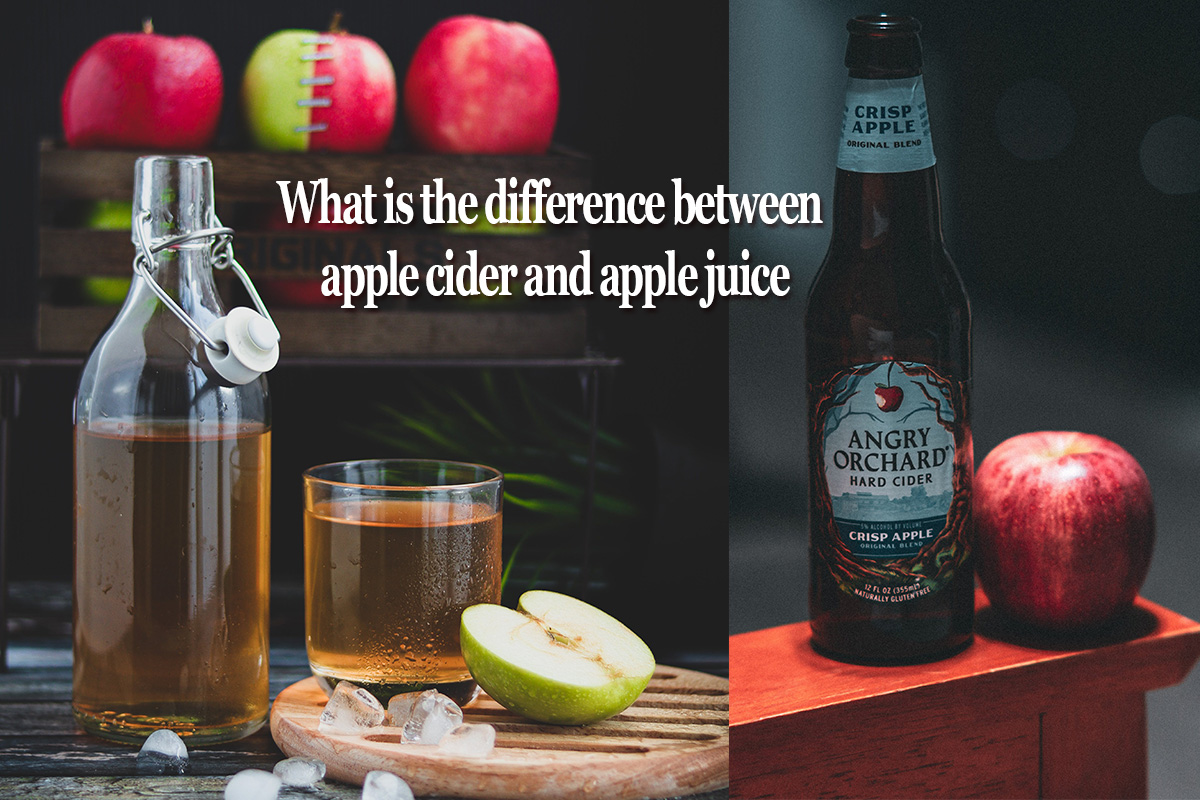
What is the difference between apple cider and apple juice

February 1, 2024 by Thomas Keller Leave a Comment

Apple cider is typically raw, unfiltered apple juice with a cloudy appearance due to apple solids, while apple juice is a clear liquid that has been filtered and pasteurized. Apple cider and apple juice hail from the same fruit but differ in processing and flavor characteristics. Diving into the world of apple beverages, consumers often encounter the choice between apple cider and apple juice. Both stem from fresh apples, yet their journey from orchard to glass sets them apart. Apple cider embraces the apple in its more natural form, often found local to apple-growing regions during the harvest season. It’s celebrated for retaining the tangy sweetness of apples and containing fine pulp or sediment, giving it a robust, homemade taste. On the other hand, apple juice undergoes additional steps such as filtration and pasteurization, extending its shelf life and ensuring a consistent, sweet flavor free of pulp. This difference influences not just taste, but also the versatility and usage of each in cooking, drinking, and seasonal traditions. apple juice

What is Apple Juice?

Apple juice is a delicious and refreshing beverage that is made by extracting the liquid from apples. It is a popular choice among people of all ages due to its naturally sweet and tangy taste. Apple juice is known for being rich in essential nutrients like vitamin C, potassium, and antioxidants. This vibrant amber-colored drink is not only hydrating but also offers numerous health benefits. From boosting the immune system to promoting heart health, apple juice is a versatile option to include in your daily diet. Whether enjoyed on its own or used as a base for smoothies and cocktails, apple juice is a versatile and flavorful drink that is loved by many.

What is Apple Cider?

Apple cider is a refreshing beverage made from fresh apples that have been crushed and pressed to extract the juice. This juice is then filtered and fermented, resulting in a deliciously tangy and slightly sweet drink. Unlike apple juice, which is clarified and pasteurized, apple cider is typically unfiltered and may contain pulp and sediment, imparting a rich and full-bodied flavor. It is often enjoyed hot or cold and can be consumed as is or used as a base in cocktails and mocktails. With its crisp and aromatic profile, apple cider has become a popular beverage choice, especially during the autumn season when apples are harvested. Whether enjoyed straight from the orchard or spiced with cinnamon and cloves, apple cider is a versatile and delectable treat for all to savor.

What Is The Difference Between Apple Cider And Apple Juice

Many think apple cider and apple juice are the same, but key differences exist. Let’s explore apple cider vs apple juice, from ingredients to benefits.

Ingredients

Apple cider often uses whole apples, including the skin and pulp. Apple juice, by contrast, typically features filtered and clarified apple components.

Processing

  • Apple cider is raw apple juice that has not undergone a filtration process to remove coarse particles of pulp or sediment.
  • Apple juice undergoes pasteurization and filtration, resulting in a clearer and longer-lasting product.

Flavor

Apple cider has a robust, fresh-from-the-orchard taste. Apple juice tends to have a more consistent, sweet flavor.

Nutritional Content

Nutrient Apple Cider Apple Juice
Calories Similar Similar
Fiber More Less
Vitamin C Varies Often added during processing

Uses And Benefits

Apple cider is perfect for marinades, salad dressings, or drinking as is. It retains more natural antioxidants. Apple juice is ideal for a sweet drink and lasts longer in your pantry.

Where does apple cider come from?

Apple cider is a beloved beverage that is enjoyed by many, especially during the fall season. But have you ever wondered where this delicious drink comes from? Apple cider is made from pressed apples, which are carefully selected and then crushed to extract their juice. This juice is then filtered to remove any impurities and fermented to convert the natural sugars into alcohol. The result is a crisp and refreshing beverage that captures the essence of fresh apples. So the next time you sip on a glass of apple cider, take a moment to appreciate the journey it took from the orchard to your taste buds.

Frequently Asked Questions Of Difference Between Apple Cider And Apple Juice

Is Apple Cider Better Than Apple Juice?

Apple cider typically retains more of the fruit’s original nutrients compared to apple juice, which often has added sugars. The choice between them depends on personal dietary preferences and health goals.

Can I Substitute Apple Cider For Apple Juice?

Yes, you can substitute apple cider for apple juice in most recipes. The taste may be slightly tangier, but it generally won’t affect the overall flavor of the dish.

Is Cider Just Alcoholic Apple Juice?

Cider is not simply alcoholic apple juice; it involves fermenting apple juice to create alcohol. This process distinguishes cider from regular apple juice.

What Makes Apple Cider?

Apple cider is made by crushing apples and fermenting the resulting juice. The process typically involves adding yeast to convert the sugars into alcohol and create a mildly alcoholic beverage.

Conclusion

Understanding the nuances between apple cider and apple juice enhances your culinary experience. Embracing both beverages offers diverse flavors for different occasions. Remember, fresh cider invites autumn’s essence, while clear juice provides a classic, year-round refreshment. Choose wisely to suit your palate or recipe needs. Let’s celebrate the apple in all its delicious forms!

Filed Under: Apple Juice, Blog

Can You Juice Garlic – How To Make It, Recipes, and the Best Juicer

January 29, 2024 by Thomas Keller Leave a Comment

Garlic is known for its pungent flavor and numerous health benefits. It has been used as a natural remedy to cure various ailments, including colds, flu, and high blood pressure. Many people consume garlic by adding it to their meals or taking supplements.

However, have you ever wondered if you can juice garlic? The answer is yes! In this article, we will explore the process of juicing garlic, share some delicious recipes, and recommend the best juicer for making garlic juice.

Juicing garlic might sound strange at first, but it’s quite simple. When you juice garlic, you extract all of its nutrients in a concentrated form that your body can easily absorb. Garlic contains allicin, which has antibacterial and antifungal properties that help boost your immune system and fight off infections.

Additionally, it’s rich in vitamin C and B6, manganese, selenium, and other essential minerals that promote overall health. Whether you want to improve your immunity or add some zing to your juices and smoothies with a bold flavor punch, keep reading to learn more about how to make garlic juice at home.

The Health Benefits Of Garlic

Let’s talk about the cardiovascular benefits and antioxidant properties of garlic and how they can improve our overall health.

We’ll also discuss how to make garlic juice, what recipes to try, and the best juicer for the job.

Cardiovascular Benefits

If you’re looking for a natural way to support your cardiovascular health, garlic might be just what you need.

Studies have shown that consuming garlic can help lower blood pressure and reduce cholesterol levels, which are both risk factors for heart disease.

Additionally, the antioxidants in garlic may help prevent damage to blood vessels and improve circulation.

To get the most out of this superfood, try juicing it!

Not only is it an easy way to incorporate more garlic into your diet, but juicing also helps release all of its beneficial compounds.

So grab your juicer and start reaping the cardiovascular benefits of fresh garlic juice today!

Antioxidant Properties

Now, let’s delve deeper into the antioxidant properties of garlic.

Antioxidants are essential in protecting our cells from damage caused by harmful molecules called free radicals.

Garlic contains several antioxidants, including allicin and selenium, which can help neutralize these free radicals and prevent oxidative stress.

This is significant because oxidative stress has been linked to numerous chronic diseases, such as cancer, Alzheimer’s disease, and heart disease.

Therefore, regularly consuming garlic may not only benefit your cardiovascular health but also provide overall protection against various illnesses.

Understanding Garlic Juice

After learning about the numerous health benefits of garlic, it’s natural to wonder how to incorporate more of it into your diet. One option is juicing garlic, which can be a convenient and flavorful way to consume this powerful ingredient.

To make garlic juice, you’ll need a high-quality juicer that can handle tough ingredients like garlic cloves. Simply peel the garlic, chop it into small pieces, and run it through the juicer. You may want to mix in other fruits or vegetables for added flavor and nutrition. Some popular recipes include adding ginger for an extra kick or combining garlic with carrot juice for a sweet and savory blend.

Garlic juice can help boost immunity by fighting off harmful bacteria. It may improve heart health by lowering blood pressure and cholesterol levels. Drinking garlic juice regularly could aid digestion and relieve stomach issues. The antioxidants in garlic have been linked to reducing inflammation throughout the body.

Why juice garlic? While consuming raw garlic has its own set of benefits, some people find it difficult to eat enough regularly due to its strong taste and odor. Juicing allows you to enjoy all the nutritional advantages without having to deal with these potential downsides. Plus, incorporating fresh juices into your daily routine can provide a quick burst of energy and support overall wellness. So if you’re looking for a new way to amp up your intake of this superfood, give juicing garlic a try!

Why Juice Garlic?

Do you want to take your cooking to the next level? Do you crave bold, intense flavors in your dishes? Then look no further than juicing garlic. This potent ingredient packs a punch and can transform any recipe into an explosion of taste. But beyond its culinary benefits, there are also numerous health advantages to incorporating this spice into your diet.

Garlic has been used for medicinal purposes for centuries due to its antiviral and antibacterial properties. It’s also rich in antioxidants that help reduce inflammation and lower cholesterol levels. By juicing garlic, you’re able to extract all these beneficial compounds in a concentrated form, making it easier for your body to absorb them. So not only will your food be delicious, but it’ll also give you a healthy boost!

ProsCons
Strong flavorCan be overpowering
NutritiousPungent odor
Versatile useDifficult to juice without proper equipment
Helps with digestionMay cause heartburn or indigestion in some people
Boosts immune systemNot recommended for those taking blood thinners

Juicing garlic may seem intimidating at first, but once you have the right equipment and technique down, it’s quite simple. In the following section, we’ll guide you through how to juice garlic effortlessly so that you can elevate your meals and improve your health.

How To Juice Garlic: A Step-By-Step Guide

Juicing garlic may seem like an unusual task, but it can provide many health benefits. Garlic is known for its antibacterial and antiviral properties, which can help boost the immune system and prevent illnesses. Additionally, juicing garlic allows for easier absorption of its nutrients into the body.

To juice garlic, start by peeling off the outer layer of skin and separating the cloves. Then, chop them up into smaller pieces to make it easier on your juicer.

Next, feed the chopped garlic through a juicer or blender until you have extracted all of the juice. If using a blender, strain out any remaining solids with a fine mesh strainer or cheesecloth before drinking.

When it comes to choosing the right juicer for garlic, there are a few things to consider. First, look for a model that has a low RPM (revolutions per minute) as this will reduce heat and oxidation during the juicing process. A masticating or slow juicer is ideal for extracting all of the juice from garlic without damaging its nutrients. Additionally, choose a juicer with easy-to-clean parts as garlic can leave behind strong odors that linger in some machines.

By selecting the right juicer, you can ensure that you’re getting the most out of your garlic and enjoying all of its health benefits.

Choosing The Right Juicer For Garlic

Now that you know garlic can be juiced, the next question is: what kind of juicer should you use? There are a few options to consider when it comes to choosing the right juicer for garlic.

Firstly, you could opt for a manual citrus press or hand-held garlic press to extract the juice from individual cloves. This method requires more effort and time than an electric juicer, but it does not require any extra equipment.

If you prefer using an electric juicer, however, look for one with a slow speed setting as this will prevent too much heat from building up during the extraction process which can affect the flavor and nutritional value of your garlic juice.

Transitioning into recipes for garlic juice, there are several ways to incorporate this healthy elixir into your diet. From adding it to salad dressings and dips to drinking it straight up in small amounts (garlic juice is very potent!), the possibilities are endless.

Keep reading for some delicious recipe ideas!

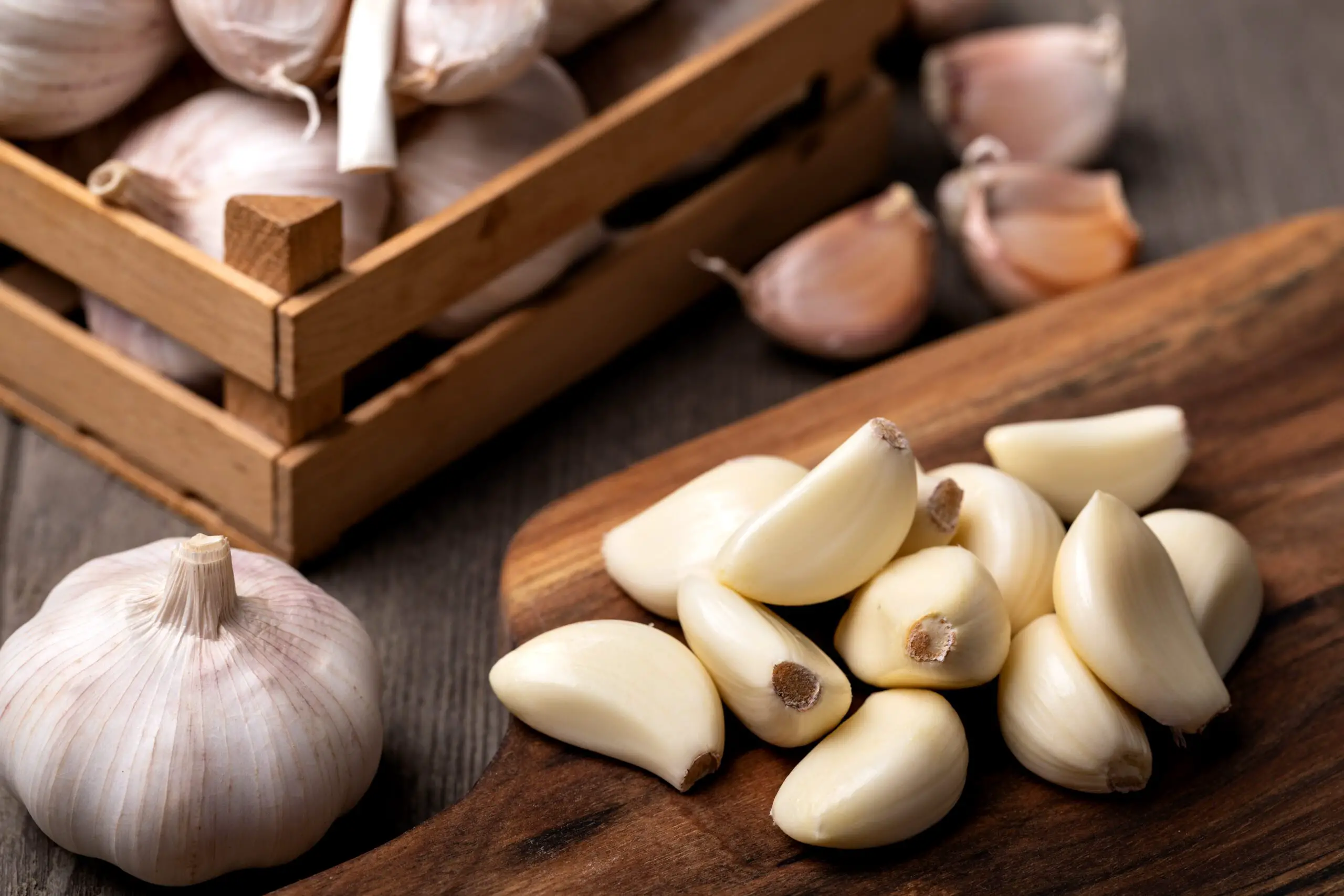
Garlic juice

Recipes For Garlic Juice

Looking for ways to spice up your juice game? Look no further than garlic juice. While it may not be the first thing that comes to mind when thinking of juicing ingredients, garlic can add a unique and flavorful kick to any drink.

Here are some recipes to get you started:

  • Garlic lemonade: Combine freshly squeezed lemon juice with water, honey, and crushed garlic cloves for a tangy yet savory twist on traditional lemonade.
  • Spicy tomato juice: Blend fresh tomatoes with celery, jalapeño peppers, and garlic for a zesty take on classic tomato juice.
  • Green goddess juice: Mix spinach, kale, cucumber, ginger root, and garlic for a nutrient-packed green juice with a hint of spice.
  • Carrot-garlic tonic: Juice carrots and ginger root before blending in minced garlic and turmeric powder for an immune-boosting tonic.

Incorporating garlic into your diet has many health benefits. From reducing inflammation to boosting immunity, this versatile ingredient is worth adding to your daily routine.

Stay tuned for tips on how to add garlic juice to your meals and snacks!

Incorporating Garlic Juice Into Your Diet

Now that you know how to make garlic juice and have the best juicer for the job, it’s time to explore ways to incorporate this potent ingredient into your diet.

One simple way is to add a teaspoon or two of garlic juice to salad dressings, marinades, dips, and sauces. You can also mix it with honey, lemon juice, or ginger for an immunity-boosting shot.

Garlic juice pairs well with savory dishes like roasted vegetables, meats, soups, and stews. However, be mindful of its strong taste and odor – too much can overpower other flavors in your dish. Start small and adjust according to your preference.

With regular consumption of garlic juice as part of a balanced diet, you may experience health benefits such as improved heart health, lower blood pressure levels, reduced inflammation, and stronger immune system function.

As with any dietary changes or supplements, there are precautions when juicing garlic that you should keep in mind. In the next section, we’ll discuss some tips on how to consume garlic safely without adverse effects on your health.

Precautions When Juicing Garlic

While garlic juice can be a great addition to your juices and smoothies, there are precautions you should take when juicing garlic.

First and foremost, it’s important to note that raw garlic is very potent and can cause irritation or burning sensations in the mouth, throat, and stomach if consumed in large amounts. Therefore, it’s best to start with small quantities of garlic when adding it to your juices.

Another precaution you should take when juicing garlic is to remove the skin before juicing. The papery skin of garlic contains compounds that can add bitterness to your juice or smoothie. To remove the skin easily, place the cloves on a cutting board and use the flat side of a chef’s knife to gently crush them. This will loosen the skins making them easy to peel off by hand or with a peeler.

By following these simple precautions, you’ll be able to safely enjoy all the benefits of incorporating garlic juice into your diet.

As much as we want our freshly squeezed garlic juice at any time of the day, storing it for later use may come in handy too!

Fresh garlic juice could last up to two weeks only if properly stored in an air-tight container inside the refrigerator. However, like most fresh produce items once opened they tend not to last long after being exposed due to oxidation which changes its color from clear white liquid into yellowish-brown tinted liquid over time.

It’s also recommended not to mix other liquids with your homemade garlic juice before storage nor dilute it further upon consumption since such practices might affect its potency level reducing its overall health benefit value significantly.

Storing Garlic Juice

After knowing the precautions when juicing garlic, it’s time to know how to properly store your garlic juice.

Garlic juice can be stored in an airtight container and refrigerated for up to one week. You could also freeze your garlic juice in ice cube trays and use them as needed.

When storing garlic juice, make sure that you label each container with the date of preparation. This way, you’ll always know which batch is fresh and which ones you need to discard. It’s essential to follow these storage guidelines to prevent spoilage or contamination of your garlic juice.

Now that you have learned how to prepare and store garlic juice safely let us talk about its power.

Garlic has been known for centuries for its health benefits like boosting immunity, reducing inflammation, regulating blood pressure levels and so much more.

With just a few cloves of this pungent plant, you can supercharge your body with all the goodness it needs.

Incorporating garlic into your daily diet might seem daunting at first, but by juicing it, you get all the nutrients without having to deal with the strong taste.

So go ahead and experiment with different recipes until you find something that suits your palate- trust us; once you discover the power of garlic juice on your health, it won’t take long before it becomes a staple in your kitchen!

The Power Of Garlic Juice

Garlic is a powerful and versatile ingredient that offers numerous health benefits. Juicing garlic can be an easy way to incorporate it into your diet, as well as increase its potency.

Garlic juice has been shown to have antiviral, antibacterial, and anti-inflammatory properties, making it a great addition to any wellness routine. To make garlic juice, simply peel the cloves and run them through a juicer or blender with some water. You can also add other ingredients like lemon or ginger for added flavor and benefits. When choosing a juicer for garlic, look for one with strong crushing power and easy cleaning options.

With the right equipment and recipes, you can enjoy the power of garlic juice deliciously and conveniently. Garlic juice may not be everyone’s cup of tea due to its pungent taste and smell, but there’s no denying its potential health benefits.

Incorporating it into your daily routine could boost your immune system, fight off infections, reduce inflammation, lower blood pressure, improve heart health, and even prevent certain types of cancer. So whether you prefer it straight up or mixed with other ingredients, give garlic juice a try and see how it can transform your health!

Frequently Asked Questions

Can I Use A Regular Blender To Make Garlic Juice?

Yes, you can use a regular blender to make garlic juice.

It is an easy and convenient way to extract the juice from garlic cloves.

Simply peel and chop the garlic into small pieces and add them to your blender with some water.

Blend until smooth, then strain the mixture through a cheesecloth or fine-mesh strainer to remove any remaining solids.

This method may not produce as much juice as using a juicer specifically designed for extracting liquids, but it is still effective and accessible for home cooks who don’t have access to specialized equipment.

How Much Garlic Should I Use For A Single Serving Of Garlic Juice?

If you’re planning to make garlic juice, a common question that may come up is how much garlic should be used for a single serving.

The answer depends on personal taste preference and the recipe being followed. However, as a general rule of thumb, one or two cloves of garlic can usually produce enough juice for one serving.

It’s important to note that garlic can have an intense flavor and aroma, so it’s recommended to start with a small amount and adjust accordingly.

Can I Mix Garlic Juice With Other Juices Or Smoothies?

Yes, you can mix garlic juice with other juices or smoothies. It’s a great way to add some extra flavor and health benefits to your favorite drinks.

Garlic juice goes well with citrus fruits like oranges and lemons, as well as vegetables like carrots and beets. Just make sure to start with small amounts of garlic juice so that the taste isn’t overwhelming.

You can also experiment with different combinations until you find the perfect blend for your taste buds. Overall, mixing garlic juice with other juices or smoothies is an easy and delicious way to incorporate this superfood into your diet.

Can I Use Garlic Juice For Skin Care?

Yes, garlic juice can be used for skin care.

It is known to have antibacterial and antifungal properties which make it a great natural remedy for acne breakouts.

Garlic juice also contains antioxidants that help in reducing the signs of aging like wrinkles and fine lines.

To use garlic juice on your skin, mix it with honey or aloe vera gel and apply it to your face as a mask.

Leave it on for 15-20 minutes before rinsing off with water.

However, because garlic can irritate if applied directly to the skin, it’s important to do a patch test first before applying it all over your face.

Can I Freeze Garlic Juice For Later Use?

Yes, you can freeze garlic juice for later use. Freezing garlic juice is a great way to preserve it and have it on hand whenever you need it.

To freeze garlic juice, simply pour the freshly squeezed juice into an ice cube tray and place in the freezer until frozen solid. Once the cubes are frozen, transfer them to a freezer-safe container or bag for long-term storage.

When ready to use, thaw out as many cubes as needed and add to your favorite recipes. Frozen garlic juice should last up to 6 months in the freezer when stored properly.

Conclusion

In conclusion, making garlic juice is possible with the right equipment and knowledge. While a regular blender may not produce the desired consistency for garlic juice, using a juicer can yield better results.

It’s important to use the correct amount of garlic for a single serving and consider mixing it with other juices or smoothies for added flavor. Additionally, incorporating garlic juice into skincare routines may have potential benefits due to its antibacterial properties.

And if you have extra garlic juice, freezing it for later use can be an efficient way to prevent waste. Overall, experimenting with different recipes and finding the best juicer for your needs can lead to delicious and nutritious garlic juice creations.

Filed Under: Blog, Juice

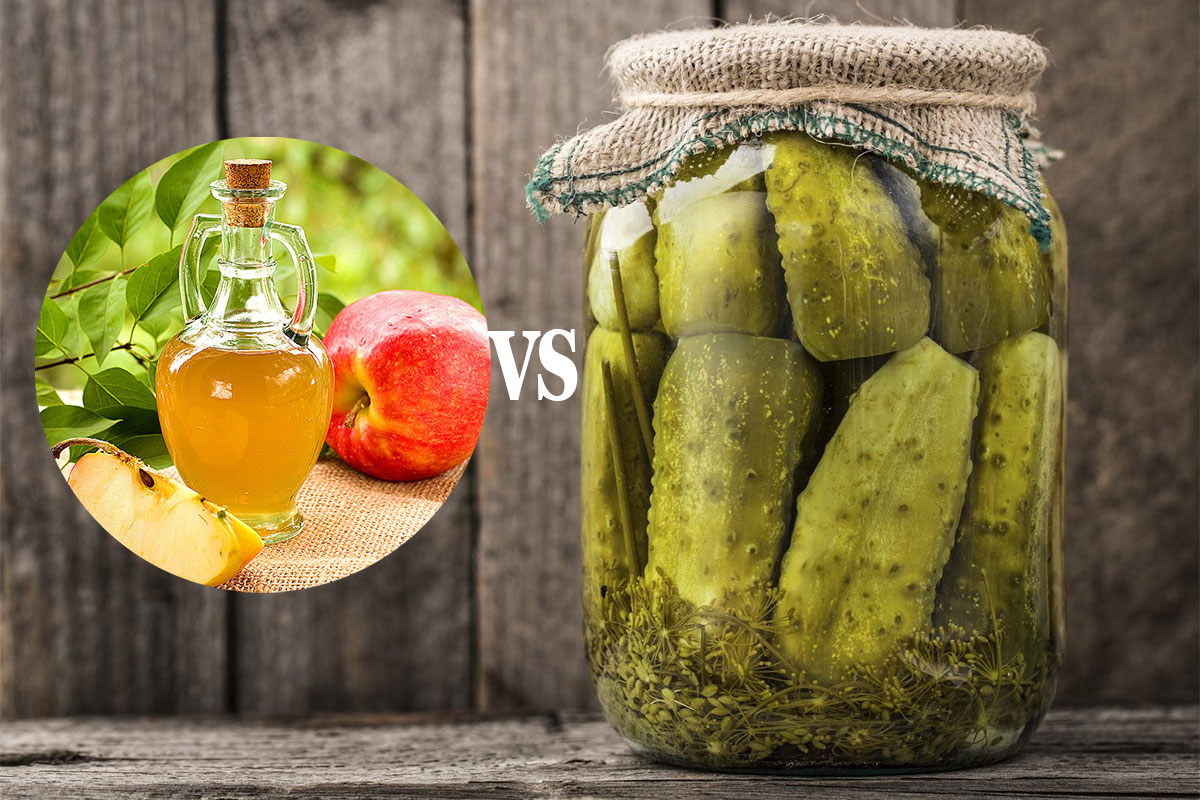
Pickle Juice vs Apple Cider Vinegar

January 17, 2024 by Thomas Keller Leave a Comment

Pickle juice and apple cider vinegar: are two of the most powerful elixirs known to mankind, capable of curing almost any ailment and restoring balance to the body.

But which is the superior remedy? The debate has raged for centuries over whether pickle juice or apple cider vinegar is more beneficial, but now, at last, we can finally put this long-standing argument to rest.

In this article, we’ll take a closer look at both pickle juice and apple cider vinegar and uncover which one reigns supreme in the world of natural healing remedies.

Nutrient Content

Pickle juice and apple cider vinegar both have a range of nutrients that can be beneficial for your health.

Pickle juice contains electrolytes such as sodium and potassium, as well as trace minerals like magnesium and calcium.

Apple cider vinegar, on the other hand, is rich in acetic acid and polyphenols, which act as antioxidants. It also contains vitamins B1, B2, and A.

Overall, both pickle juice and apple cider vinegar contain a variety of nutrients that can be beneficial to your health. Understanding the nutrient content of these two products can help you make an informed decision about which one to incorporate into your diet. Moving forward, let’s explore the potential health benefits associated with these two products.

Potential Health Benefits

For many years, the health benefits of pickle juice have been a topic of debate. Some claim that drinking it can help in treating everything from cramps to heartburn, while others think it’s just an old wives’ tale. On the other hand, apple cider vinegar is widely accepted as a natural remedy for various ailments. But what is the truth behind these two popular folk remedies?

While there isn’t substantial scientific evidence to support either remedy, anecdotal reports suggest that pickle juice and apple cider vinegar may both offer some health benefits.

Pickle juice can help replenish electrolytes after strenuous exercise or hot weather, and its high sodium content may be beneficial for those with low blood pressure. Apple cider vinegar has long been used as a digestive aid and its anti-inflammatory properties have also been touted for reducing joint pain and swelling.

Ultimately though, more research is needed before any definitive conclusions can be drawn about their effectiveness as health remedies.

Moving on then, let’s consider some of the uses of pickle juice.

Uses Of Pickle Juice

Let’s talk about the uses of pickle juice – particularly, its use as a natural cleaner, and the health benefits associated with it. We’ll also compare it with apple cider vinegar and see which one is better.

Natural Cleaner

Pickle juice is not only great for adding flavor to food, but it can also be used as a natural cleaner!

The acidic nature of pickle juice makes it an effective and eco-friendly cleaning solution.

It can be used to clean kitchen surfaces, remove stains from fabric, or even shine up dulled jewelry.

Pickle juice can also be used to dissolve soap scum in the bathroom, while its antibacterial properties make it an ideal choice for disinfecting surfaces.

Plus, pickle juice is safe for all ages and gentle enough that you don’t need to worry about harsh chemicals.

All in all, pickle juice is a great way to naturally keep your home clean and fresh!

Health Benefits

Plus, pickle juice isn’t just good for cleaning around the house – it has some health benefits too!

Pickle juice can help reduce muscle cramps, aid in digestion, and even provide a boost of antioxidants.

Drinking pickle juice after a workout can help replenish electrolytes while adding it to a smoothie or salad dressing can give your body a much-needed vitamin C boost.

With all these benefits and more, it’s no wonder that pickle juice has become such a popular addition to healthy diets.

So if you’re looking for an easy way to improve your overall health, why not give pickle juice a try?

Uses Of Apple Cider Vinegar

Let’s start by discussing the uses of apple cider vinegar for skin care and hair care. We’ll look at how it compares to pickle juice, too.

Skin Care

When it comes to skincare, apple cider vinegar is one of the most popular natural ingredients.

It has a variety of beneficial properties that make it an ideal choice for anyone looking to improve the health and appearance of their skin.

Apple cider vinegar can help reduce acne breakouts, reduce signs of aging such as wrinkles and fine lines, and even help balance pH levels on the skin.

In comparison to other natural ingredients like pickle juice, apple cider vinegar is preferred for its more potent effects.

Therefore, if you’re looking for a natural remedy for your skin care needs, apple cider vinegar is the way to go!

Hair Care

Moving on, apple cider vinegar is also an amazing ingredient to include in your hair care routine.

It helps to restore shine and luster to dull hair, while also helping to prevent dandruff and an itchy scalp.

Plus, the acidity of the vinegar can help balance the pH level of your scalp and hair, which can help get rid of excess oil build-up.

The antibacterial properties of ACV also help keep your scalp clean and healthy.

In short, it’s a great natural remedy for all kinds of hair problems!

Side Effects Of Pickle Juice

Pickle juice has been suggested as a remedy for several ailments, from muscle cramps to indigestion. It is packed with electrolytes and minerals that can ease your discomfort and help you maintain good hydration. Despite its potential health benefits, pickle juice does carry some side effects – the most common being an upset stomach or heartburn due to its high acidity.

While it’s important to drink in moderation, the salt content of pickle juice may also contribute to dehydration if consumed too frequently.

Moving onto apple cider vinegar, a popular home remedy for many different conditions. As with pickle juice, ACV contains both electrolytes and natural acids that can provide potential benefits like improved digestion and weight management. However, one must be mindful of possible side effects when consuming ACV as well – these include throat irritation caused by its acidity, as well as tooth enamel erosion due to prolonged exposure.

To minimize these risks, it’s best to have no more than two tablespoons per day diluted in water or other liquids. With this in mind, let’s explore how ACV affects the body…

Side Effects Of Apple Cider Vinegar

Pickle juice, while a popular condiment with many benefits, can also have some detrimental effects. Too much sodium can lead to high blood pressure, while too much vinegar can irritate the stomach and possibly corrode tooth enamel.

The side effects of apple cider vinegar are similar but unique in certain ways. Consuming large amounts of this type of vinegar has been linked to:

  • Digestive Issues:
  • Nausea
  • Heartburn
  • Skin Irritation:
  • Burning Sensation
  • Redness
  • Tooth Damage:
  • Erosion of Enamel

Though these ailments may arise from taking too much apple cider vinegar, there are many potential health benefits as well, such as improving digestion and helping lower cholesterol. Therefore, it is important to weigh the pros and cons before including either pickle juice or apple cider vinegar into your diet.

Frequently Asked Questions

What Is The Difference Between Pickle Juice And Apple Cider Vinegar?

One might be perplexed when comparing pickle juice and apple cider vinegar, but understanding the differences can help to make the right decision.

To put it simply, pickle juice is a salty liquid that results from soaking cucumbers in water, vinegar, and other spices.

On the other hand, apple cider vinegar is a type of vinegar made by fermenting apples.

While both are acidic and can be used for culinary purposes, one can easily distinguish them based on their unique tastes and aromas.

So while they may appear similar at first glance, it’s clear that pickle juice and apple cider vinegar couldn’t be more different.

Can Pickle Juice Be Used As A Substitute For Apple Cider Vinegar?

While it’s true that pickle juice and apple cider vinegar have a range of similarities, can pickle juice be used as a substitute for apple cider vinegar?

While some people may think so, the truth is that there are some crucial differences between the two that make them not interchangeable.

Pickle juice usually contains a higher level of sodium than apple cider vinegar does and its acidity levels are also different.

So if you’re looking for an alternative to apple cider vinegar, pickle juice may not be your best option.

Is Pickle Juice More Effective Than Apple Cider Vinegar For Certain Ailments?

Pickle juice and apple cider vinegar have long been touted as miracle cures for various ailments, but it’s hard to know which one is truly more effective.

Comparing them is like comparing apples and oranges – they both have their unique abilities.

Pickle juice has a distinct taste and aroma that can be quite powerful, while apple cider vinegar has a milder flavor that’s pleasing to the palate.

While they may seem different at first glance, both of these remedies contain beneficial acids and minerals that can help soothe an upset stomach or provide relief from heartburn.

Ultimately, the choice between pickle juice and apple cider vinegar comes down to personal preference and what works best for your individual needs.

Is There A Difference In Taste Between Pickle Juice And Apple Cider Vinegar?

The taste of pickle juice and apple cider vinegar can vary greatly, with the latter being more tart and acidic due to its higher acidity levels.

Pickle juice, on the other hand, has a salty and sour flavor that many people enjoy.

As far as which one tastes better, it comes down to personal preference.

Is It Safe To Consume Large Amounts Of Pickle Juice Or Apple Cider Vinegar?

It’s safe to consume large amounts of either pickle juice or apple cider vinegar, but it’s important to consider their differences in taste.

As an old saying goes, ‘Tastes differ.’

Pickle juice has a salty, sour flavor which can be likened to a punch in the mouth.

Apple cider vinegar is milder, with an almost sweet aftertaste.

Both are great for adding flavor to meals or drinks, just make sure you don’t overdo it!

Conclusion

In conclusion, pickle juice and apple cider vinegar are both popular ingredients for many dishes, each offering its unique flavor.

While there is not a huge difference in taste between the two, pickle juice has certain benefits that apple cider vinegar does not. For example, a recent study found that drinking pickle juice can reduce muscle cramps by up to 45% in athletes. This makes it an ideal choice for those who suffer from muscle cramps after physical activity.

However, it is important to remember that consuming large amounts of either pickle juice or apple cider vinegar can be dangerous and have negative side effects on your health. So while both of these ingredients can add flavor and nutrition to your diet, they should be used in moderation.

Overall, pickle juice and apple cider vinegar may seem similar at first glance but they each offer their unique benefits depending on what you are looking for. Whether you prefer the taste of one over the other or you need the extra nutritional value of one over the other, you should take the time to evaluate which ingredient best suits your needs before deciding which one to use in your recipes.

Filed Under: Juice, Blog

Can You Juice Broccoli? Everything You Need To Know

January 17, 2024 by Thomas Keller Leave a Comment

Juicing has become one of the most popular ways to consume fruits and vegetables, especially for those who are looking to boost their health. However, not all produce is created equal when it comes to juicing.

One question that often arises is whether or not you can juice broccoli. The answer may surprise you. In this article, we will explore everything you need to know about juicing broccoli.

From its nutritional value to how best to prepare it for your juicer, we’ll cover all the bases so you can make an informed decision on whether or not including this cruciferous vegetable in your juice recipes is right for you. So let’s dive in and find out if broccoli belongs in your next glass of green juice!

The Nutritional Benefits Of Broccoli

Have you ever wondered why broccoli is often referred to as a superfood?

Well, it’s because this cruciferous vegetable is packed with various nutrients that are essential for our overall health.

Broccoli contains high amounts of vitamin C, fiber, folate, and potassium – all of which can help boost the immune system and promote healthy digestion.

Aside from these vitamins and minerals, broccoli also has cancer-fighting properties.

It contains compounds called sulforaphane and indole-3-carbinol (I3C), both of which have been shown to reduce the risk of certain cancers such as breast, prostate, colon, and lung cancer.

So not only is broccoli good for your physical health in general, but it could potentially save your life too!

In the next section, we’ll discuss how juicing affects these amazing nutrients found in broccoli.

How Juicing Affects Broccoli’s Nutrients

When it comes to juicing broccoli, one question that often arises is whether or not the process affects its nutrient content. The answer is more complicated than a simple yes or no.

While juicing can indeed cause some loss of nutrients in broccoli, there are also ways to maximize the retention of these important compounds.

One factor that affects how many nutrients you get from your broccoli juice is the method used to extract the liquid. Different methods may lead to varying degrees of nutrient loss.

Additionally, certain parts of the broccoli plant contain different types and amounts of nutrients. Understanding these factors can help you make informed decisions about how best to juice your broccoli for optimal nutrition.

The Best Methods For Juicing Broccoli

Did you know that broccoli is one of the most nutrient-dense vegetables on the planet? Just 100 grams of raw broccoli contains more than double your daily recommended intake of vitamin C and almost as much calcium as a glass of milk.

No wonder it’s become such a popular ingredient in green juices! But what’s the best way to juice this superfood?

First off, let’s talk about juicing methods. While some people prefer using a blender or food processor to make their veggie-based beverages, these methods tend to produce thicker, pulpier results.

For a smoother texture and maximum yield, we recommend using either a masticating or centrifugal juicer. Keep reading for our tips on choosing the right type of juicer for your needs.

Choosing The Right Juicer For Broccoli

Now that you know the best methods for juicing broccoli, it’s important to choose the right machine.

Not all juicers are created equal and some may not be suitable for extracting juice from tough vegetables like broccoli.

When selecting a juicer for your home, look for one with a powerful motor and strong blades that can handle dense produce.

A masticating or slow juicer is also recommended as it tends to yield more juice and retain more nutrients compared to centrifugal models.

By choosing the right juicer, you’ll be able to make delicious and nutritious broccoli juice at home anytime.

As much as having the right equipment matters when making broccoli juice, proper preparation of the vegetable is just as crucial.

In our next section, we’ll discuss tips on how to prepare broccoli for optimal extraction of its juices.

Tips For Preparing Broccoli For Juicing

Did you know that broccoli is one of the healthiest vegetables in the world? According to a study conducted by Harvard University, broccoli contains high levels of vitamin C, fiber, and antioxidants that can help reduce inflammation and lower the risk of chronic diseases.

As such, it’s no wonder why more people are turning to juicing as a way to incorporate this nutritious vegetable into their diet.

Before juicing broccoli, there are some important steps you need to take to ensure optimal taste and nutritional value. First off, make sure to wash your broccoli thoroughly with water before cutting it up into smaller pieces. This will remove any dirt or residue from the surface of the vegetable.

Next, remove any tough stems or leaves and only use the florets for juicing. Lastly, consider combining broccoli with other fruits and vegetables like apples or carrots to balance out its strong flavor.

By following these tips, you’ll be able to create delicious and healthy juices that incorporate broccoli seamlessly!

Transition: Now that you’ve learned how to prepare broccoli for juicing let’s dive into ways on how you can incorporate it into your juice recipes!

Incorporating Broccoli Into Your Juice Recipes

If you’re looking to add more nutrients to your daily juice routine, broccoli is a great addition.

Not only does it provide essential vitamins and minerals like Vitamin C and potassium, but it also adds a unique flavor profile that can enhance the overall taste of your drink.

When incorporating broccoli into your juice recipes, be sure to cut it up into smaller pieces for easier blending.

You may also consider pairing it with other complementary ingredients such as lemon or ginger to balance out its strong taste.

Don’t be afraid to experiment with different combinations until you find the perfect recipe for your taste buds!

As a bonus, juicing broccoli has been shown to have detoxifying effects on the body due to its high levels of antioxidants and anti-inflammatory compounds.

In the next section, we’ll discuss how juicing broccoli specifically can help support your body’s natural cleansing processes.

Juicing Broccoli For Detoxification

Let’s talk about the benefits of juicing broccoli for detoxification, and how we can go about doing it.

We’ll cover everything you need to know!

Benefits Of Juicing Broccoli

If you are looking for an effective way to detoxify your body, then juicing broccoli might be the ideal solution.

Not only is it packed with essential vitamins and minerals, but it also contains powerful antioxidants that can help eliminate harmful toxins from your system.

Regular consumption of broccoli juice has been linked to a myriad of health benefits such as improved digestion, reduced inflammation, enhanced immune function, and even cancer prevention.

So why not add this delicious green vegetable to your daily juicing routine?

Your body will thank you in more ways than one!

How To Juice Broccoli

Now that we know the amazing detoxifying benefits of juicing broccoli, it’s time to learn how to do it right.

Don’t worry if you’re new to juicing or don’t have much experience with this green veggie – it’s quite straightforward.

First off, make sure you choose fresh organic broccoli as your main ingredient.

Cut it into small pieces and run it through a juicer along with other complementary fruits and veggies like apples, carrots, kale or ginger for added flavor and nutrients.

You can also use a blender instead of a juicer but strain the mixture afterwards to get rid of any fiber residue.

With these simple steps, you’ll be able to create delicious and nutritious broccoli juice that will help cleanse your body from harmful toxins in no time!

Potential Side Effects Of Juicing Broccoli

While juicing broccoli can have many benefits, it is important to be aware of potential side effects. Some people may experience digestive discomfort or gas when consuming large amounts of cruciferous vegetables like broccoli. This is because they contain a high amount of fiber and sulfur compounds that can cause bloating and flatulence.

In addition, some studies suggest that excessive consumption of cruciferous vegetables may interfere with thyroid function in individuals who are already iodine deficient. However, the risk of this occurring from moderate consumption is low.

As with any food or supplement, it is best to consult with a healthcare professional before adding broccoli juice to your diet if you have any underlying health conditions or concerns about how it may interact with medication.

Possible digestive discomfort

Risk of interfering with thyroid function in those who are iodine deficient

Best to consult with a healthcare professional before incorporating it into diet

Moderation is key

Listen to your body’s response

Moving forward, let’s address some frequently asked questions about juicing broccoli so that you can make an informed decision about whether or not it’s right for you!

Frequently Asked Questions About Juicing Broccoli

Did you know that broccoli is one of the most nutrient-dense vegetables out there? In fact, according to a study by the Centers for Disease Control and Prevention (CDC), broccoli contains more vitamin C per 100 grams than oranges! It’s no wonder why so many people are interested in juicing this green superfood.

However, before you start throwing handfuls of raw broccoli into your juicer, it’s important to understand some key facts about juicing broccoli. To help answer some common questions, here’s a table outlining everything you need to know:

QuestionAnswer
Can you juice raw broccoli?Yes
Should I peel the stalks before juicing?No
What other ingredients pair well with broccoli in juice?Carrots, apples, ginger
Is cooked or steamed broccoli okay to juice?Yes
How long can I store fresh broccoli juice?Up to 24 hours in the fridge

Now that you have a better understanding of how to juice broccoli, let’s dive deeper into whether or not this practice is right for you.

Conclusion: Is Juicing Broccoli Right For You?

Now that we have answered some of the most common questions about juicing broccoli, you may still be wondering if it’s right for you.

The truth is, whether or not to juice broccoli depends on your taste preferences and health goals.

If you enjoy the taste of raw broccoli and want to increase your intake of essential vitamins and minerals, then juicing broccoli could be a great addition to your diet.

However, if you’re not a fan of the flavor or prefer other vegetables for their health benefits, then there’s no need to force yourself to drink broccoli juice.

Ultimately, the decision is up to you and what works best for your body and lifestyle.

Frequently Asked Questions

How Long Can You Store Broccoli Juice For?

Did you know that the average person wastes about 30% of their fruits and vegetables? That’s a lot of wasted money and nutrients!

So, if you’re someone who likes to juice broccoli, it’s important to know how long you can store it for maximum freshness. Well, I’ve got some good news for you – broccoli juice can last up to three days in the refrigerator if stored properly.

Just make sure to keep it in an airtight container and consume it within those three days. And if you want to get intimate with your juicing routine, try experimenting with different flavor combinations like adding ginger or lemon for an extra kick.

Happy juicing!

Can You Juice Broccoli Leaves And Stalks?

Yes, you can juice broccoli leaves and stalks! These parts of the vegetable might not be as commonly used in cooking, but they’re packed with nutrients that your body will thank you for.

And don’t worry about any bitter taste – when combined with other fruits and vegetables, the flavor is mild and refreshing. Plus, using the entire broccoli plant means less waste and more sustainability in your juicing routine.

So next time you’re at the grocery store or farmer’s market, grab a bunch of fresh broccoli and get creative with your juicer!

Is It Necessary To Peel Broccoli Before Juicing?

Before juicing broccoli, you may wonder whether it’s necessary to peel the vegetable.

The answer is not as straightforward as a simple ‘yes’ or ‘no.’

While some people choose to remove the skin for aesthetic reasons or because they believe it improves digestion, others argue that leaving it on retains more nutrients and fiber.

Ultimately, the decision comes down to personal preference and individual health needs.

So, if you’re wondering whether to peel your broccoli before juicing, take time to consider what works best for your body and taste buds.

Can You Mix Broccoli Juice With Other Vegetable Or Fruit Juices?

Yes, absolutely!

Mixing broccoli juice with other vegetable or fruit juices is a great way to create delicious and nutritious blends.

Broccoli has a slightly bitter taste that can be balanced out by sweet fruits like apples or pears, while its earthy flavor pairs well with vegetables like carrots and celery.

Don’t be afraid to experiment with different combinations until you find the perfect mix for your taste buds.

Plus, adding other ingredients will also increase the variety of nutrients in your juice, making it even more beneficial for your health.

So go ahead and get creative with your juicing – your body will thank you for it!

Does Juicing Broccoli Have A Stronger Taste Compared To Eating It Raw Or Cooked?

Juicing broccoli is a great way to add variety to your juice recipes, but you might be wondering about the taste compared to eating it raw or cooked.

Well, the answer is yes! Juiced broccoli has a stronger taste than its counterparts because all of the nutrients are concentrated in one drink.

But don’t worry, if you’re not a huge fan of the flavor on its own, you can always mix it with other fruits and vegetables for a delicious and nutritious blend.

So go ahead and give juicing broccoli a try – your tastebuds (and body) will thank you!

Conclusion

In conclusion, juicing broccoli is a great way to consume this superfood and reap its numerous health benefits. However, it’s important to note that the juice should be consumed immediately or stored for no more than 24 hours in the refrigerator to prevent spoilage.

Additionally, don’t hesitate to experiment with mixing broccoli juice with other vegetable or fruit juices for added flavor and nutrition.

While some may find the taste of juiced broccoli stronger compared to eating it raw or cooked, incorporating it into your diet can provide a powerful boost of vitamins, minerals, and antioxidants.

As they say, ‘an apple a day keeps the doctor away,’ but perhaps we should add ‘a glass of fresh broccoli juice a day keeps the ailments at bay.’

Filed Under: Blog

  • Page 1
  • Page 2
  • Page 3
  • Interim pages omitted …
  • Page 38
  • Go to Next Page »

Primary Sidebar

  • Is Apple Juice A Diuretic? Everything You Need To Know
  • What is the difference between apple cider and apple juice
  • Can You Juice Garlic – How To Make It, Recipes, and the Best Juicer
  • Pickle Juice vs Apple Cider Vinegar
  • Can You Juice Broccoli? Everything You Need To Know
  • Why Do I Crave Acidic Foods? Unveiling the Tangy Temptation
  • Do You Peel Carrots Before Juicing? (A Carrot Preparation Guide)
  • How Long Do Smoothies Last – In The Fridge Or The Freezer
  • Can You Juice Mushrooms? How To Do It And Top Recipes
  • Improve Your Well-being: Discover the Benefits of Eating Prunes at Night
  • Apple Juice vs Orange Juice: The Ultimate Comparison
  • Aloe Vera Juice: Inner Fillet Vs Whole Leaf – Guide
  • Discover the Pros and Cons of Juicer vs. Vitamix Blenders
  • Centrifugal vs Cold Press Juicers: Which is Better?
  • Masticating vs Centrifugal Juicer: The Ultimate Guide

Copyright Protected By Juicer Survey @2025