• Skip to primary navigation
  • Skip to main content
  • Skip to primary sidebar
  • Privacy Policy
  • Terms and Conditions
  • Write for us
  • Contact Us

Juicer Survey

Best Juicers Reviews for Home + Sports News Blog

  • Home
  • Juicer
  • Blender
  • Blog
  • About Us

Why Do I Crave Acidic Foods? Unveiling the Tangy Temptation

June 2, 2023 by Thomas Keller Leave a Comment

Have you ever found yourself irresistibly drawn to the tangy goodness of acidic foods? That mouth-puckering sensation and the intense burst of flavor can be strangely addictive.

From zesty citrus fruits to savory pickles, our taste buds seem to yearn for that acidic kick. But what lies behind these cravings? Join me on a journey to explore the science and psychology behind our love affair with acidic foods.

The Biology of Cravings: Nature’s Influence

Our bodies are incredibly complex, and our cravings for certain foods often have deep-rooted biological origins. When it comes to acidic foods, our taste buds play a crucial role.

They contain specialized receptors that detect sourness, triggering a cascade of sensory signals to the brain.

The Acidic Adventure: Survival Instincts at Play

Acidic foods have historically played a vital role in our survival. Our ancestors relied on foraged fruits and fermented foods rich in acids.

The tangy taste helped them discern if a fruit was ripe or spoiled, thus avoiding potentially harmful substances. Craving acidic foods could be a remnant of this survival instinct passed down through generations.

The Vitamin C Connection: A Health Boost in Disguise

Many acidic foods, such as lemons and oranges, are packed with vitamin C. This essential nutrient boosts our immune system, aids in collagen production, and promotes overall health.

Our bodies are wired to seek out foods that provide the nutrients we need, and the craving for acidic foods may be our body’s way of signaling a vitamin C deficiency.

The Psychology of Cravings: Mind Over Matter

While biology lays the groundwork for our cravings, our psychology also plays a significant role. Our emotions, experiences, and cultural influences can shape our preferences and cravings for specific tastes, including acidic foods.

The Comfort Factor: Emotional Associations

Have you ever reached for lemonade or a slice of sour candy during a stressful situation?

Acidic foods can provide a sense of comfort and relief due to their ability to trigger the release of endorphins, also known as the “feel-good” hormones.

They can help us alleviate anxiety, lift our mood, and offer a temporary escape from the pressures of daily life.

Cultural Culinary Delights: Acidity as a Flavor Profile

In various cuisines around the world, acidity is celebrated as a fundamental flavor profile.

Think of the tangy goodness of Mexican salsa, the zest of Thai lime-infused dishes, or the pickled delicacies of Japanese cuisine.

Our exposure to these diverse culinary traditions can shape our preferences and foster a craving for acidic foods.

Unveiling the Mysteries: Potential Explanations

While biology and psychology shed light on our cravings for acidic foods, some theories propose additional explanations for this intriguing phenomenon.

The Microbiome Mystery: The Gut’s Influence

Emerging research suggests that our gut microbiome, the vast community of microorganisms residing in our digestive system, may impact our food preferences.

It’s possible that certain strains of bacteria thrive in an environment influenced by acidic foods, leading to cravings for these tangy treats.

A Yin-Yang Balance: Craving Acidic Foods to Counterbalance Richness

Acidic foods often provide a refreshing contrast to rich and heavy dishes. Imagine biting into a slice of lime after indulging in a decadent, buttery meal.

The acidity cuts through the richness, bringing balance to our palate. Cravings for acidic foods might stem from our innate desire for a harmonious culinary experience.

Embracing the Acidity: Health Benefits and Moderation

While indulging in acidic foods can be satisfying, it’s essential to strike a balance and consider potential health implications.

Oral Health Matters: Protecting Your Pearly Whites

The high acidity levels in some foods, like citrus fruits or vinegar-based dressings, can erode tooth enamel over time.

To protect your pearly whites, it’s wise to consume acidic foods in moderation, maintain good oral hygiene, and rinse your mouth with water after enjoying them.

Nurturing Digestive Balance: Listening to Your Body

Excessive consumption of acidic foods can disrupt the delicate balance of our digestive system, causing acid reflux or heartburn.

Pay attention to your body’s signals and find the right balance that suits your individual needs and digestive health.

Conclusion:

Craving acidic foods is a fascinating interplay between biology, psychology, and culture. Our taste buds, shaped by our evolutionary past, guide us toward foods that provide essential nutrients.

Meanwhile, our emotions and experiences weave intricate connections between our cravings and our emotional well-being.

As you indulge in that zesty lemonade or reach for another pickle, savor the complexity of your cravings, knowing that they are a beautiful amalgamation of our biological heritage and personal experiences.

FAQ:

Why do I crave acidic foods?

Cravings for acidic foods can stem from a combination of biological and psychological factors. Biologically, our taste buds have receptors that detect sourness, and our ancestors relied on acidic foods for survival. Psychologically, acidic foods can provide comfort and trigger the release of endorphins, while cultural influences and culinary traditions also play a role in shaping our preferences.

Are cravings for acidic foods a sign of deficiency?

Cravings for acidic foods, such as citrus fruits rich in vitamin C, could be a signal of a potential deficiency. Vitamin C is essential for our immune system and overall health, and our bodies may instinctively crave acidic foods to fulfill this nutritional need. However, it’s always best to consult a healthcare professional for proper assessment and guidance.

Can cravings for acidic foods be harmful?

While indulging in acidic foods in moderation is generally safe, excessive consumption can have potential drawbacks. The high acidity levels in certain foods can erode tooth enamel and disrupt the balance of our digestive system, leading to dental issues or acid reflux. It’s important to maintain a balanced diet and listen to your body’s signals to avoid any adverse effects.

How can I satisfy my cravings for acidic foods in a healthy way?

If you’re craving acidic foods, there are several healthier options to satisfy your taste buds. Incorporate a variety of fruits rich in vitamin C, such as oranges, strawberries, and kiwis, into your diet. Experiment with adding a splash of citrus juice or vinegar to your salads or meals for a tangy twist. Just remember to practice moderation and maintain good oral hygiene.

Can my gut health influence my cravings for acidic foods?

Emerging research suggests that our gut microbiome, the community of microorganisms in our digestive system, may play a role in our food preferences. It’s possible that certain strains of bacteria thrive in an environment influenced by acidic foods, potentially leading to cravings. However, further studies are needed to fully understand the complex relationship between our gut health and cravings.

Are there any non-food alternatives to satisfy my craving for acidity?

If you’re looking for alternatives to satisfy your craving for acidity, consider incorporating acidic flavors into non-food options. For example, you can try using scented candles with citrus or vinegar notes, using acidic-scented essential oils in a diffuser, or experimenting with acidic-tasting drinks or herbal teas that are low in acidity.

Remember, cravings for acidic foods are a normal part of our sensory experience. Enjoy them in moderation and explore the diverse flavors that the world of acidity has to offer!

Filed Under: Blog

Do You Peel Carrots Before Juicing? (A Carrot Preparation Guide)

June 1, 2023 by Thomas Keller Leave a Comment

If you’re a fan of juicing, then you know that carrots are one of the go-to ingredients for adding natural sweetness and nutrition to your drinks.

But when it comes to preparing them for juicing, there’s often confusion over whether or not to peel them first.

The truth is, there are pros and cons to both methods – and ultimately, it depends on personal preference.

In this carrot preparation guide, we’ll explore the different ways to prepare carrots for juicing and help you decide which method works best for you.

Whether you prefer peeling your carrots or leaving them unpeeled, this article will provide all the information you need to make an informed decision and create deliciously healthy juices every time.

So grab your favorite juicer and let’s get started!

The Benefits Of Juicing Carrots

Carrots are one of the most versatile and nutritious vegetables out there. They’re great in salads, soups, stews, and even as a standalone snack with some hummus or ranch dressing.

But have you ever considered juicing them? Juicing carrots is an excellent way to extract all their nutrients in liquid form, making it easier for your body to absorb them.

The benefits of juicing carrots are numerous. For starters, carrot juice is packed with antioxidants like beta-carotene that help protect your cells from damage caused by free radicals. It’s also high in vitamin A which promotes healthy vision, skin, and immune function.

Additionally, drinking carrot juice can aid digestion by promoting the production of digestive enzymes while improving gut health thanks to its fiber content.

Understanding the nutritional value of carrots will enable you to make informed dietary choices when incorporating this vegetable into your diet.

Understanding The Nutritional Value Of Carrots

Now that we understand the many benefits of juicing carrots, let’s take a closer look at their nutritional value.

Carrots are an excellent source of beta-carotene, which is converted into vitamin A in the body. Vitamin A helps to promote healthy vision and skin, as well as supporting immune function.

In addition to beta-carotene, carrots also contain other important nutrients such as vitamin K, potassium, and fiber.

These nutrients work together to provide numerous health benefits, including reducing inflammation, improving digestion, and supporting heart health.

With all these amazing benefits in mind, it’s no wonder why so many people choose to add carrot juice to their daily routine.

But one question remains: do you need to peel your carrots before juicing them? This has been a topic of debate among juicing enthusiasts for years. Let’s dive deeper into this topic and explore both sides of the argument.

The Debate Over Peeling Carrots For Juicing

The debate over peeling carrots for juicing is a hot topic among health enthusiasts. Some argue that the skin of a carrot contains valuable nutrients and should be left on, while others believe it can add an unpleasant bitter taste to the juice.

So, should you peel your carrots before juicing? The answer ultimately depends on personal preference.

For those who don’t mind a slightly earthy taste in their juice or want to maximize nutrient intake, leaving the skin on may be the way to go.

However, if you’re looking for a sweeter taste or simply prefer a smoother texture without any bits of skin, then peeling your carrots beforehand may be more appealing.

Ultimately, the choice is yours and there’s no right or wrong answer when it comes to this topic.

  • Benefits of leaving the skin on: increased nutrient intake
  • Drawbacks of leaving the skin on: slightly bitter taste
  • Benefits of peeling: sweeter taste
  • Drawbacks of peeling: loss of potential nutrients

As with most things related to food and nutrition, there are pros and cons to both sides of the argument.

In the end, it all comes down to what you value most in your juice – maximum nutrients or optimal taste.

In the following section, we’ll explore some reasons why you might choose to peel your carrots before juicing.

Reasons To Peel Carrots Before Juicing

Did you know that over 90% of the nutrients found in carrots are located in their skin?

While it may seem counterintuitive to peel vegetables before juicing them, there are actually a few good reasons why you might want to consider doing so.

One main reason is that carrot skins can contain traces of dirt and pesticides, which can be harmful if ingested.

Another benefit to peeling your carrots before juicing is that it can improve the taste and texture of your juice.

Carrot skins have a slightly bitter taste that some people find unappealing, while others dislike the fibrous texture they add to the drink. Removing the skin also makes for a smoother consistency overall.

So even though it may take a bit more time and effort upfront, peeling your carrots prior to juicing could ultimately lead to a healthier and tastier beverage.

However, there are still reasons why you may want to leave those skins on.

Reasons To Leave The Skin On

Leaving the skin on carrots may seem like a strange choice for some, but there are actually several reasons why you might want to consider it.

For starters, leaving the skin on can provide additional nutrients and fiber that would otherwise be lost if peeled.

Carrot skins contain antioxidants such as beta-carotene, which is essential in maintaining healthy eyesight and boosting your immune system.

In addition to added health benefits, keeping the skin on can also save time and effort. It eliminates the need to peel each individual carrot before juicing, making the process much quicker and easier.

Plus, many people find that including the skin gives their juice a slightly earthy flavor that they enjoy.

So next time you’re prepping carrots for juicing, think twice before reaching for that peeler! As with any produce item, it’s important to properly wash your carrots before using them in recipes or consuming raw.

This is especially true if you plan on leaving the skins intact during juicing. The best way to do this is by rinsing them under cool running water while gently scrubbing away any dirt or debris present on the surface. If necessary, use a vegetable brush to get into all of those nooks and crannies.

With clean and well-prepped carrots ready to go, you’ll be able to create delicious juices bursting with vitamins and minerals in no time at all!

How To Properly Wash Carrots Before Juicing

Just like how a person’s skin reflects their overall health, the skin of a carrot is an indication of its freshness and nutrition.

That’s why some people prefer to leave the skin on when juicing carrots. But if you’re not too keen on drinking bits of dirt or pesticides, then peeling your carrots might be a better option for you.

Before we dive into tips for peeling carrots, it’s important to know how to properly wash them first.

Even though you’ll be removing the outer layer, washing your carrots thoroughly will help eliminate any harmful bacteria that may have accumulated on the surface.

Start by placing your carrots under running water and use a vegetable brush to scrub off any visible dirt or debris. Afterward, pat dry with a clean towel before proceeding with peeling.

Tips For Peeling Carrots For Juicing

Peeling carrots can be a tedious task, but it’s an important step to ensure that your juice is free of dirt and pesticides.

Plus, peeling also helps to make the texture smoother and more palatable. Here are some tips for making the process easier:

  • Firstly, use a vegetable peeler instead of a knife. This will save you time and energy while reducing the risk of injury.
  • Hold the carrot with one hand and peel it away from yourself in long strokes with the other.
  • If you’re worried about losing nutrients in the skin, try using organic carrots or give them a good scrubbing before peeling.

When it comes to juicing, every little detail counts towards achieving optimal results. Here are some additional tips for preparing your peeled carrots:

  • Cut off both ends of each carrot.
  • Slice them into manageable pieces that fit through your juicer chute.
  • For maximum yield, cut against the grain lengthwise rather than chopping horizontally.

By following these simple steps, you’ll have perfectly prepped carrots ready for juicing!

But wait – there’s still another crucial step: cutting. Read on for our top tips on how to slice and dice like a pro.

Tips For Cutting Carrots For Juicing

As you prepare your carrots for juicing, it’s important to keep in mind that the way you cut them can make a big difference in the final product.

Whether you’re looking for maximum juice yield or simply want your carrot juice to look visually appealing, there are several tips and tricks that can help.

One key tip is to choose carrots that are uniform in size and shape. This will ensure that they cook evenly and produce consistent results when juiced.

When cutting the carrots, be sure to remove any stems or leaves first. Then, depending on your preference, you may want to peel the skin off with a vegetable peeler or leave it on for added flavor and nutrition.

Finally, slice the carrots into small pieces using a sharp knife or food processor before adding them to your juicer. With these simple tips in mind, you’ll be well on your way to enjoying delicious homemade carrot juice!

Looking for other carrot preparation techniques for juicing? There are plenty of options out there! Some people like to grate their carrots instead of slicing them, while others prefer to roast them first for added depth of flavor.

You might also consider combining carrots with other fruits and vegetables such as apples, ginger, or kale to create unique flavor combinations.

Whatever approach you take, remember that experimenting with different methods is all part of the fun – so don’t be afraid to get creative!

Other Carrot Preparation Techniques For Juicing

Now that you know how to cut carrots for juicing, the next step is to decide whether or not to peel them. The answer? It depends.

If your carrots are organic and free from pesticides, washing them thoroughly should be enough. However, if they’re conventionally grown, it’s best to peel them to remove any residual chemicals.

Additionally, peeling can help improve the texture of your juice by removing tough skin.

Other carrot preparation techniques include chopping or grating them before juicing. Chopped carrots work well in centrifugal juicers while grated ones are better suited for masticating models.

Ultimately, finding the best carrot preparation method for your juicing needs will depend on personal preference and equipment availability. So experiment with different methods until you find what works best for you!

Finding The Best Carrot Preparation Method For Your Juicing Needs

After exploring the different methods for preparing carrots for juicing, you may be wondering which one is the best for your needs. The truth is, it ultimately depends on your personal preferences and what equipment you have available.

However, here are a few key points to consider when deciding:

  • If you’re looking for maximum nutrition, leave the skin on as it contains important nutrients.
  • If you prefer a smoother texture in your juice, peel the carrots before juicing.
  • If you don’t have a high-powered juicer, chopping or grating the carrots beforehand can make the process easier.
  • Finally, if time is of the essence, skip peeling and simply rinse and chop your carrots before throwing them into the juicer.

By considering these factors and experimenting with different preparation methods, you’ll soon find the perfect way to prepare your carrots for juicing that suits both your taste buds and lifestyle.

Remember to also choose fresh organic produce whenever possible to ensure maximum benefit from your delicious carrot juice!

Frequently Asked Questions

Can I Juice Carrots With The Leaves Still Attached?

Have you ever wondered if juicing carrots with the leaves still attached is a good idea? Well, let me spill the beans and tell you that it’s not as crazy as it sounds. In fact, leaving the green tops on can add a unique flavor to your carrot juice. But hold your horses! Before you start blending away, there are some things you need to know. First off, make sure to wash the leaves thoroughly before using them. Secondly, only use fresh and young greens as older ones tend to be bitter. Trust me, following these tips will take your carrot juice game up a notch and have everyone asking for your secret recipe in no time!

Is It Better To Use Organic Carrots For Juicing?

Organic produce has been all the rage lately and for good reason! When it comes to juicing, many people wonder if using organic carrots is better. The answer is a resounding yes! Conventionally grown carrots can contain harmful pesticides and other chemicals that you definitely don’t want in your juice. Plus, organic carrots are often richer in nutrients since they’re grown without synthetic fertilizers. So go ahead and splurge on some high-quality organic carrots for your next juicing adventure – your body will thank you!

Should I Remove The White Core Of The Carrot Before Juicing?

Removing the white core of a carrot before juicing is an absolute must! It’s like taking off your shoes before entering someone’s home; it just needs to be done. The white core not only has a distinctly bitter taste, but it also contains most of the vegetable’s fiber which can make for a less enjoyable drinking experience. Plus, who wants extra roughage in their juice? Trust me, take out that pesky inner part and your carrot juice will be smoother and sweeter than ever before.

Can I Juice Carrots That Have Started To Wilt Or Go Soft?

If you’re wondering if it’s still okay to juice carrots that have started to wilt or go soft, the answer is yes! Don’t let those slightly limp veggies go to waste. In fact, they may even be easier to juice since they are softer and more pliable. Just make sure to cut off any visibly spoiled parts before juicing. With a little love and creativity, you can turn those less-than-perfect carrots into a delicious and nutritious drink. So don’t toss them out just yet – give them a second chance in your next homemade juice concoction!

Can I Juice Carrots With Other Fruits Or Vegetables, Or Should I Juice Them Separately?

Juicing carrots is a fantastic way to get all the nutrients they have to offer, but what about combining them with other fruits and vegetables? Many people wonder whether it’s better to juice their carrots separately or mix them in with other ingredients. The truth is that there isn’t really a right answer – it all depends on your personal preferences! Some people love the taste of carrot juice on its own, while others prefer to add in some apple or celery for extra flavor. Experimenting with different combinations can be fun and delicious, so don’t be afraid to try something new!

Conclusion

In conclusion, juicing carrots is a healthy and refreshing way to get your daily dose of nutrients. Just remember that like any other food preparation, there are certain steps you need to take before putting them in the juicer.

Think of peeling carrots like removing the wrapping paper from a gift – it’s necessary to reveal the true beauty inside.

So go ahead and peel those carrots before juicing!

And if you want to add some extra flavor, feel free to experiment with different combinations of fruits and vegetables.

With these tips in mind, you’ll be well on your way to enjoying delicious and nutritious carrot juice every day.

Filed Under: Juice

How Long Do Smoothies Last – In The Fridge Or The Freezer

June 1, 2023 by Thomas Keller Leave a Comment

Smoothies are a popular and healthy option for breakfast, post-workout fuel, or just as a refreshing snack. They’re easy to make and can be customized with your favorite fruits, veggies, and add-ins like protein powder or nut butter.

However, one common question that arises when it comes to smoothies is how long they last. Whether you’re making a big batch of smoothies for the week or have leftovers from yesterday’s blend, knowing how long your smoothie will stay fresh in the fridge or freezer is crucial.

In this article, we’ll explore the factors that affect the shelf life of your smoothie and provide tips on how to store them properly so you can enjoy them at their best. So grab your blender and let’s get started!

Understanding Smoothie Shelf Life

Smoothies are a delicious and healthy way to start your day or energize yourself throughout the day. But what happens when you make too much? How long can you keep it in the fridge or freezer before it goes bad?

The answer is not straightforward, as several factors affect how long smoothies last. The shelf life of a smoothie depends on its ingredients, storage conditions, and preparation method.

Generally speaking, a fresh smoothie made with fruits and vegetables will last for up to 24 hours in the fridge.

If you store it properly in an airtight container, it may last for another day but will likely lose taste and nutritional value.

Freezing your smoothie is also an option, which can extend its lifespan by up to three months depending on the ingredients used.

However, some ingredients may not freeze well and can change texture or taste over time.

Factors That Affect Smoothie Freshness

It’s no secret that smoothies are a delicious and healthy way to start your day. But how long can you keep them in the fridge or freezer before they go bad? The answer depends on several factors.

First, the ingredients used in your smoothie play a significant role in determining its shelf life.

Fruits and vegetables with high water content, such as cucumbers and melons, tend to spoil faster than harder produce like carrots and apples.

Yogurt and milk-based smoothies also have shorter lifespans than those made solely from fruits and veggies.

Additionally, adding sweeteners like honey or maple syrup can shorten your smoothie’s freshness because bacteria thrive on sugar.

So what can you do to maximize your smoothie’s longevity? One simple tip is to use frozen fruit instead of fresh. Not only does this make for a creamier texture, but it also extends the shelf life by slowing down bacterial growth.

Another trick is to store your smoothie in an airtight container with minimal air space at the top – this reduces oxidation and therefore helps preserve nutrients.

In the next section, we’ll take a closer look at how long you can expect your smoothie to last in the fridge.

The Shelf Life Of Smoothies In The Fridge

As we have learned, several factors can affect the freshness of smoothies. However, even with these variables in mind, it is still possible to extend the shelf life of your smoothie with proper storage techniques.

So how long do smoothies last in the fridge? Let’s take a look.

  1. The average lifespan of a freshly-made smoothie when stored in the fridge is about 24-48 hours. This may vary depending on the ingredients used and any preservatives added.
  2. Dairy-based smoothies tend to spoil faster than fruit or vegetable-based ones due to their higher protein content.
  3. To maximize freshness, store your smoothie in an airtight container such as a mason jar or plastic bottle with a tight-fitting lid.
  4. It is also recommended to keep your smoothie towards the back of the fridge where temperatures remain most consistent.

By following these simple steps, you can ensure that your delicious and nutritious smoothie stays fresh for longer periods without compromising its quality or taste.

Now let’s move on to learning how to properly store our beloved drinkables in the fridge!

How To Properly Store Smoothies In The Fridge

So, you’ve made yourself a delicious smoothie and want to store it for later. Maybe you’re rushing out the door in the morning or just don’t feel like finishing it all at once.

Whatever your reason may be, storing smoothies properly is essential if you want them to last.

When it comes to keeping smoothies fresh in the fridge, there are a few things to keep in mind. First of all, make sure that your container has an airtight lid. This will help prevent oxidation and keep your smoothie from spoiling too quickly.

It’s also important to store your smoothie towards the back of the fridge where it’s coldest.

And finally, try not to let it sit for more than 24 hours before drinking it for optimal freshness. With these simple tips, you can enjoy your homemade smoothies any time of the day without worrying about spoilage.

Now that we know how to properly store our smoothies in the fridge, let’s talk about signs they might have gone bad. While most people can tell when milk has gone sour by its smell alone, spoiled smoothies aren’t always as obvious.

In the next section, we’ll discuss some common indicators of spoiled or expired smoothies so you can avoid consuming anything that could potentially harm your health.

Signs Of Spoiled Smoothies

Now that you know how long smoothies can last, it’s important to recognize the signs of a spoiled one.

No one wants to drink something that has gone bad, and consuming a rotten smoothie could lead to some unpleasant consequences.

The first indication that your smoothie may have expired is its smell. If you notice an off odor or anything funky, then it’s best not to take any chances with drinking it.

You should also look for changes in texture; if your once-smooth blend now has chunks or lumps, this is another sign that it’s time to toss it out.

Lastly, if you see any mold growing on top of your smoothie, then there’s no question – throw it away immediately! It’s better to be safe than sorry when it comes to food poisoning.

With all these warning signs in mind, don’t let them scare you away from enjoying delicious smoothies. Keep reading to learn about how freezing affects their shelf life!

The Shelf Life Of Smoothies In The Freezer

If you want to extend the life of your smoothies, then freezing them is a great option. It’s important to note that not all smoothie ingredients freeze well, so be mindful when choosing what goes into your blender.

But assuming you use freezer-friendly fruits and veggies, how long can you expect your frozen smoothies to last?

Generally speaking, if stored properly in an airtight container or freezer bag, smoothies can last up to 6 months in the freezer.

Of course, this timeline may vary depending on the quality of the ingredients used and whether they were fresh or frozen at the time of blending.

To get the most out of your frozen smoothies, it’s best to consume them within 2-3 months for optimal taste and texture.

  • Label each container with the date it was prepared before placing it in the freezer.
  • Use high-quality storage containers that are designed for freezing foods.
  • Consider portioning out individual servings ahead of time so you don’t have to thaw more than necessary.

Now that we know how long frozen smoothies can last, let’s talk about how to properly freeze them.

How To Properly Freeze Smoothies

Smoothies can last for several months when stored in the freezer. However, it is important to note that the quality and taste may slightly diminish over time.

The shelf life of smoothies in the freezer largely depends on the ingredients used and how they were prepared.

To ensure your smoothie stays fresh for as long as possible, it’s crucial to properly freeze it. One way to do this is by using an airtight container or plastic bag with all excess air removed before sealing.

Another method is to pour the smoothie into ice cube trays, allowing you to easily portion out servings whenever you need them. Below is a table outlining approximate storage times for different types of smoothies:

Type of SmoothieStorage Time in Freezer
Fruit-based6-8 months
Vegetable-based4-6 months
Dairy-based2-3 months
Protein-based2-3 months
Nut Butter-based1-2 months

By following these guidelines and properly freezing your smoothies, you can enjoy delicious and nutritious drinks well beyond their initial creation date. In the next section, we will explore some tips for extending the shelf life of your smoothies even further.

Tips For Extending Smoothie Shelf Life

Like a bouquet, smoothies are best enjoyed fresh. But sometimes life gets in the way and we end up with leftover smoothies that need to be stored for later consumption.

If you’re wondering how long your colorful concoction will last, it’s important to know that freshly made smoothies can stay good in the fridge for up to 24 hours while frozen ones can last up to three months.

To extend the shelf life of your beloved beverage, there are a few tips you can follow. Firstly, make sure all ingredients used are fresh and clean before blending them.

Secondly, store your smoothie in an airtight container or jar with as little air space as possible – this prevents oxidation which causes spoilage.

Lastly, consider adding citrus juice or vitamin C powder to your blend as they have natural preserving properties.

By following these tips, you’ll be able to enjoy your delicious drink for longer periods without compromising on taste or quality.

As tempting as it is to gulp down every bit of liquid goodness from your glass, sometimes we do end up with leftovers that need our attention. Instead of letting those precious ounces go to waste, why not get creative?

Leftover smoothies make great additions to pancakes, muffins, or even popsicles! You can also use them as bases for salad dressings or marinades – just add some oil and vinegar and voila!

Your boring salad has been transformed into something exciting and flavorful. So next time you find yourself with an extra smoothie at hand, don’t despair – let your imagination run wild and embrace the versatility of this nutritious drink!

Using Leftover Smoothies In Creative Ways

If you have leftover smoothies that you don’t want to go to waste, there are plenty of creative ways to use them. Smoothies can be a great addition to recipes and snacks, adding extra nutrition and flavor.

One fun way to use leftover smoothies is by freezing them into popsicles. This is a perfect treat for kids or adults who love frozen treats on hot summer days.

Another idea is using the smoothie as a base for overnight oats or chia pudding. The added fruit and nutrients will make your breakfast more filling and delicious.

Lastly, try using leftover smoothies in baking recipes such as muffins or pancakes instead of milk or water for an extra boost of flavor and nutrition.

By getting creative with leftovers, you not only reduce food waste but also add variety to your meals while packing in extra nutrients.

In the next section, we’ll explore some tips for maximizing freshness and flavor in your smoothies so you can enjoy every sip.

Maximizing Freshness And Flavor In Your Smoothies

You’ve just spent the last 20 minutes blending your favorite smoothie recipe, carefully measuring out each ingredient and ensuring that everything blends perfectly.

You pour it into a glass, take a sip, and…it’s not quite as fresh-tasting as you remember. What went wrong? Likely, you didn’t store your smoothie properly.

To keep your smoothies tasting their best for as long as possible, there are a few guidelines to follow. The table below breaks down how long different types of smoothies can be stored in both the fridge and freezer:

Type of SmoothieFridge Storage TimeFreezer Storage Time
Fruit-basedUp to 24 hoursUp to 3 months
Vegetable-basedUp to 48 hoursUp to 6 months
Dairy-basedUp to 24 hoursNot recommended

As you can see, fruit-based smoothies have the shortest storage time in the fridge while vegetable-based ones can last up to two days.

However, if you want to keep your smoothies for longer periods (up to three months for fruit-based and six months for vegetable-based), storing them in the freezer is your best bet.

Just make sure to transfer them from the freezer to the fridge at least 12 hours before you plan on drinking them so they have enough time to thaw.

By following these guidelines, you’ll be able to enjoy delicious and refreshing smoothies every day!

Frequently Asked Questions

Can You Freeze A Smoothie After It Has Been Refrigerated For A Few Days?

Hey there, have you ever wondered if it’s possible to freeze a smoothie that has been sitting in the fridge for a few days? Well, let me tell you, it is! Freezing your leftover smoothies is an excellent way to save time and reduce waste. Not only will it prevent your delicious blends from going bad, but they’ll also be ready to enjoy whenever you’re in the mood for something refreshing. So next time you’re wondering what to do with those last sips of your favorite smoothie, don’t throw them out – pop them in the freezer instead!

How Long Can A Smoothie Be Left Out At Room Temperature Before It Goes Bad?

They say time flies when you’re having fun, but what about when your smoothie is left out at room temperature? It won’t take long for it to go bad! A smoothie should not be left out at room temperature for more than 2 hours. After that point, harmful bacteria can grow and cause foodborne illness. To keep your smoothie safe and delicious, store it in the fridge or freezer as soon as possible. Remember: safety first, flavor second!

Is It Safe To Consume A Smoothie That Has Been In The Fridge For A Week?

If you’ve been letting your smoothie sit in the fridge for a week, you’re probably wondering if it’s still safe to consume. Well, let me tell you – it’s not looking good. While refrigeration can slow down the growth of bacteria and other microorganisms, it doesn’t completely stop them from multiplying. Plus, after a few days in the fridge, your once-fresh ingredients are likely starting to lose their nutrients and flavor. So while it may be tempting to take a sip of that long-lost smoothie, I’d recommend playing it safe and tossing it out instead.

Can You Add Fresh Fruit To A Smoothie That Has Been Refrigerated Or Frozen?

‘Fresh is best’ may be an age-old adage, but can you still add fresh fruit to a smoothie that has been refrigerated or frozen? The answer is yes! Adding fresh fruit to your chilled beverage can give it an extra boost of flavor and nutrition. However, make sure to consume the smoothie within 24-48 hours if stored in the fridge and up to three months if kept in the freezer for optimal freshness. Don’t let time dull down the vibrancy of your favorite drink – keep it fresh with some added fruits!

Are There Any Tips For Making A Smoothie Last Longer Without Losing Its Flavor Or Nutritional Value?

Looking to extend the lifespan of your smoothie without sacrificing its flavor or nutritional goodness? Fear not, because there are a few handy tips you can employ to make that happen. One trick is to add some lemon juice into the mix – this helps prevent oxidation and keeps things fresher for longer. Another way to preserve your smoothies is by freezing them in ice cube trays so you can easily thaw out portions as needed. And finally, consider investing in a vacuum sealer – this nifty gadget sucks all the air out of your container, reducing spoilage and keeping your blended beverages tasting amazing for days on end!

Conclusion

In conclusion, the lifespan of a smoothie depends on how it is stored and handled.

It’s important to refrigerate or freeze a smoothie as soon as possible after making it to prevent bacterial growth.

If left at room temperature for too long, a smoothie can quickly become unsafe to consume.

However, with proper storage techniques, a smoothie can last up to 3-4 days in the fridge and several months in the freezer without losing its flavor or nutritional value.

So next time you whip up your favorite smoothie recipe, make sure to store it correctly and enjoy it for days to come!

Filed Under: Juice

Can You Juice Mushrooms? How To Do It And Top Recipes

May 27, 2023 by Thomas Keller Leave a Comment

Are you a fan of juicing and looking to add some new ingredients to your routine?

Have you ever wondered if mushrooms can be juiced?

The answer is yes, and in this article, we will explore how to juice mushrooms and share some top recipes.

Mushrooms are a versatile ingredient that can be used in a variety of dishes.

They are also packed with nutrients such as vitamin D, B vitamins, potassium, and antioxidants.

Juicing mushrooms allows for their nutrients to be easily absorbed by the body while providing a unique flavor profile.

However, it’s important to note that not all types of mushrooms are suitable for juicing.

Let’s dive into the world of mushroom juice and discover its many benefits.

What Are The Benefits Of Juicing Mushrooms?

Mushrooms are not typically the first vegetable that comes to mind when thinking of juicing. However, they can be a delicious and nutritious addition to any juice recipe.

Mushrooms contain numerous health benefits, including immune system support, anti-inflammatory properties, and antioxidants. One unique benefit of mushrooms is their high concentration of beta-glucans, which have been linked to improved cholesterol levels and reduced risk of certain cancers.

Additionally, many varieties of mushrooms contain vitamin D, which is essential for bone health and has also been linked to improved mood and mental health. With these benefits in mind, it’s clear that adding mushrooms to your daily juice routine could be a smart choice for overall wellness.

So what types of mushrooms can you juice? Let’s dive into some options.

What Types Of Mushrooms Can You Juice?

Mushrooms are like the introverted, silent characters in a movie. They don’t demand attention but they make everything better with their presence.

Similarly, mushroom juice is not everyone’s cup of tea, but it has gained quite some popularity among health enthusiasts lately. However, before you start juicing mushrooms, it’s essential to know which types of mushrooms can be used for this purpose.

Fortunately, most edible mushrooms can be juiced without any problem. Shiitake and maitake mushrooms have been popularly used for centuries in Asian countries because of their medicinal properties.

Button mushrooms or cremini mushrooms are commonly found in grocery stores and also work well when it comes to making mushroom juice. Other options include oyster mushrooms, portobello mushrooms, and even truffles! The choice ultimately depends on personal preference as every variety has its unique taste and nutritional value.

How To Choose The Best Mushrooms For Juicing

When it comes to juicing mushrooms, choosing the right ones is essential. Not all mushrooms are created equal and some may not even be suitable for juicing. To get the most out of your mushroom juice, you need to choose fresh, high-quality mushrooms that are ideal for juicing.

Some of the best types of mushrooms for juicing include shiitake, maitake, reishi, and cordyceps. These mushrooms have a meaty texture and a rich flavor profile that makes them perfect for blending into juices. When selecting your mushrooms, look for those that are firm to the touch with no signs of bruising or discoloration. It’s also important to choose organic mushrooms whenever possible to avoid pesticides and other harmful chemicals.

As you’ve seen in our previous section we highlighted how important it is to select the right type of mushroom when it comes to making mushroom juice.

Now let’s move on to another crucial aspect – equipment needed for juicing mushrooms. Without proper equipment, you won’t be able to extract all the nutrients from your chosen mushroom variety effectively.

So what kind of equipment do you need? Let’s discuss this in detail in our next section!

Read Also: mushroom craving

What Equipment Do You Need For Juicing Mushrooms?

After choosing the best mushrooms for juicing, it’s time to prepare them before putting them into the juicer.

First and foremost, make sure that you wash your mushrooms thoroughly with water. You can use a brush or sponge to gently scrub any dirt off of the caps and stems. Once they are clean, remove the stems since they can be tough and bitter when juiced.

After removing the stems, there are several ways to prepare your mushrooms depending on what recipe you want to make. Here are some top recipes for mushroom juice:

  • Mushroom Apple Juice: Combine 2 cups of sliced mushrooms, 1 chopped apple, 1 peeled orange, and a handful of spinach in your juicer.
  • Spicy Mushroom Lemonade: Mix together 1 cup of sliced mushrooms, 1/4 jalapeño pepper (seeds removed), 1 peeled lemon, and a pinch of cayenne pepper in your juicer.
  • Creamy Mushroom Smoothie: Blend together 2 cups of sliced mushrooms, 1 banana, 1/2 avocado, 1 tablespoon honey, and enough almond milk to reach desired consistency.

With these recipes in mind, you’ll have delicious and nutritious mushroom juice ready in no time!

So go ahead – experiment with different combinations of flavors until you find your perfect blend.

How To Prepare Mushrooms For Juicing

Before juicing mushrooms, it’s important to prepare them properly. Start by cleaning the mushrooms thoroughly with a damp cloth or paper towel. Avoid rinsing them under running water as they tend to absorb moisture quickly.

Once cleaned, chop the mushrooms into smaller pieces to make juicing easier. You can also remove the stems if you prefer a smoother texture in your juice.

Now that your mushrooms are prepped and ready to go, let’s move on to how to actually juice them.

To get started with juicing mushrooms, there are several methods you can try depending on what equipment you have available at home.

How To Juice Mushrooms

Yes, mushrooms can be juiced! In fact, mushroom juice is becoming more popular due to its health benefits and unique flavor.

To make mushroom juice, simply wash your mushrooms thoroughly and remove any dirt or debris. Then, chop them into small pieces and add them to a juicer with some water or other fruits and vegetables for added flavor.

Some top recipes for mushroom juice include blending mushrooms with apples, carrots, ginger, and lemon for a refreshing and energizing drink. Another delicious recipe involves mixing mushrooms with celery, cucumber, kale, and parsley for a nutrient-packed green juice. The possibilities are endless when it comes to experimenting with different combinations of flavors!

Tips for avoiding a bitter taste in your mushroom juice include adding sweeter fruits like apples or pears to balance out the earthy flavor of the mushrooms. You can also try using fresher mushrooms as older ones tend to have a stronger taste that can sometimes turn bitter when juiced.

Finally, don’t forget to strain your mushroom juice before drinking it to remove any leftover pulp or sediment that could affect the overall taste.

Tips For Avoiding A Bitter Taste

Now that you know how to juice mushrooms, it’s important to avoid a bitter taste. One way to do this is by using fresh and ripe ingredients. Mushrooms can quickly become bitter if they are past their prime or not stored properly. Another tip is to add sweet fruits or vegetables such as apples, carrots, or beets to the mix. This will balance out any bitterness from the mushrooms and create a more enjoyable flavor profile.

Here are three recipes for delicious mushroom juice:

  1. Mushroom-Apple Juice: Blend 1 cup sliced mushrooms, 2 cored and chopped apples, and ½ cup water until smooth.
  2. Spicy Mushroom Juice: Blend 1 cup sliced mushrooms, 2 cloves garlic, a pinch of cayenne pepper, and ½ cup tomato juice until smooth.
  3. Green Mushroom Juice: Blend 1 cup sliced mushrooms with 1 peeled cucumber, 2 cups spinach leaves, and a handful of parsley until smooth.

So now that you have some tasty recipes under your belt, what other ingredients can you add to mushroom juice? The possibilities are endless! You could try adding ginger for extra spice or pineapple for sweetness. Experimenting with different combinations is part of the fun when it comes to juicing.

What Other Ingredients Can You Add To Mushroom Juice?

Did you know that adding other ingredients to your mushroom juice can enhance both the flavor and nutritional value?

According to a study published in the Journal of Medicinal Food, combining mushrooms with vitamin C-rich fruits like oranges or strawberries helps increase absorption of their valuable antioxidants. This means that not only will your mushroom juice taste better, but it will also be more beneficial for your health.

Aside from citrus fruits, there are countless other ingredients you can add to your mushroom juice. Some popular options include ginger, turmeric, apple cider vinegar, and leafy greens like kale or spinach.

These additions bring their own unique flavors and health benefits to the table, making your daily dose of mushroom juice even more nutritious and enjoyable.

So what exactly are these benefits? Let’s find out in the next section.

What Are The Benefits Of Adding Other Ingredients To Mushroom Juice?

Adding other ingredients to mushroom juice can enhance its flavor and provide additional health benefits. Here are a few examples:

  1. Ginger: Adding ginger to your mushroom juice not only adds a spicy kick but also has anti-inflammatory properties.
  2. Lemon: The acidity in lemon juice can help with the absorption of nutrients from mushrooms, making it an excellent addition.
  3. Carrots: Carrots add natural sweetness to mushroom juice while providing beta-carotene, which is essential for healthy eyesight.

By combining these ingredients with mushrooms, you create a supercharged drink that provides various vitamins, minerals, and antioxidants necessary for optimal body function.

When creating your perfect blend, remember always to use fresh and organic produce when possible. Experimenting with different flavors will help you find what tastes best for you while still receiving all the added health benefits.

In the next section, we’ll discuss how to store mushroom juice properly so that it stays fresh longer.

How To Store Mushroom Juice

By now, you must have tried juicing a variety of fruits and vegetables. But have you ever thought about juicing mushrooms? Yes, it’s true – mushroom juice is a thing! It may sound strange at first, but there are plenty of health benefits that come with consuming this unique drink.

Now that you know how to make mushroom juice, the next question is: how do you store it properly?

Freshly made mushroom juice can last for up to 24 hours in the refrigerator, but if you want to extend its shelf life, freezing is your best option. Simply pour the excess juice into an ice cube tray and freeze until solid.

Once frozen, transfer the cubes into a resealable bag or container and keep them in the freezer for up to three months. Whenever you’re ready to enjoy some mushroom juice again, just thaw out as many cubes as needed and mix them with fresh juice before drinking!

How Much Mushroom Juice Should You Drink?

If you’re interested in incorporating mushroom juice into your regular diet, the question of how much to drink may be on your mind. As with any new addition to your routine, it’s important to start slow and work your way up as needed.

Here are a few guidelines to keep in mind:

  • Start by drinking 1/4 cup or less per day
  • Increase gradually over time, listening to your body for signals that you’ve had enough
  • Aim for no more than one cup per day unless otherwise directed by a healthcare professional
  • Remember that mushroom juice is not a replacement for a balanced diet
  • If you experience digestive issues or other discomfort, reduce or eliminate consumption and speak with a doctor if symptoms persist

Ultimately, the amount of mushroom juice you should consume will depend on factors like age, health status, and personal preferences. It’s always best to consult with a healthcare provider before making significant changes to your diet.

Now that we’ve covered how much mushroom juice to drink, let’s dive into some delicious recipes! From savory soups to sweet smoothies, there are plenty of ways to incorporate this nutritious ingredient into your meals. Read on for some top ideas.

Mushroom Juice Recipes

If you’re looking for a new and exciting way to incorporate mushrooms into your diet, consider juicing them! While it may seem unconventional, mushroom juice is becoming increasingly popular due to its numerous health benefits.

Not only are mushrooms low in calories and high in nutrients such as vitamin D and potassium, but they also contain powerful antioxidants that can boost the immune system.

One delicious recipe for mushroom juice is a blend of portobello mushrooms, celery, cucumber, ginger root, and lemon juice. Simply chop up the vegetables and run them through a juicer or blender until smooth. This refreshing drink is perfect for a mid-day pick-me-up or post-workout recovery drink. For an added burst of flavor, try adding some fresh herbs like parsley or cilantro to the mix.

Another easy option for making mushroom juice involves simply blending sliced shiitake mushrooms with water and straining out any solids. This method creates a light and flavorful broth that can be enjoyed on its own or used as a base for soups and stews.

Give it a try and see how this simple yet satisfying beverage can become a staple in your daily routine!

Simple Mushroom Juice

Mushrooms are one of the most versatile and nutritious ingredients in any kitchen. They can be cooked in a variety of ways, from sautéing to grilling or roasting. But have you ever considered juicing them? Yes, it’s possible!

Mushroom juice is rich in antioxidants, vitamins B and D, as well as minerals such as zinc, selenium, and potassium. To make simple mushroom juice, start by cleaning your mushrooms thoroughly with a damp cloth or paper towel. Cut off the stems and chop them into small pieces.

Then add the chopped mushrooms to a blender along with some water and blend until smooth. Strain the mixture through a fine mesh strainer or cheesecloth to remove any bits of mushroom that may not have blended completely. You can add lemon juice for an extra kick of flavor if desired.

Serve chilled over ice for a refreshing drink that packs a nutritional punch! If you’re looking to mix things up with your mushroom juice recipe, try adding carrots and apples for a deliciously sweet twist on this healthy beverage.

Carrot-Apple-Mushroom Juice

Now that we’ve covered the basics of making simple mushroom juice, let’s kick it up a notch with a delicious Carrot-Apple-Mushroom Juice recipe! This combination is not only tasty but also packed with nutrients such as vitamin A and potassium.

To make this juice, you will need:

  1. 2 medium carrots
  2. 1 green apple
  3. 4-5 white button mushrooms
  4. 1/2 cup of water

Firstly, wash all produce thoroughly before chopping them into small pieces that can fit through your juicer chute.

Then, simply add everything to your juicer and blend until smooth. If you prefer a smoother consistency, strain the juice using a fine mesh strainer or cheesecloth.

Serve immediately over ice for maximum refreshment!

As much as we love our previous two recipes, there’s one more we want to share – Tomato-Mushroom-Cucumber Juice! Not only does it sound like the perfect summer drink, but it’s also incredibly easy to make at home in just minutes.

So grab these ingredients: tomatoes, mushrooms, cucumbers and lemon juice and get ready for another healthy dose of vegetable goodness!

Tomato-Mushroom-Cucumber Juice

Tangy, tantalizing, and terrific – the tomato-mushroom-cucumber juice is a must-try for all health enthusiasts. This refreshing drink packs in multiple nutrients that are essential for maintaining good health.

The vibrant red color of tomatoes blended with earthy mushrooms and cooling cucumbers create a unique flavor profile that will leave you wanting more.

To make this delicious juice, start by washing and chopping two ripe tomatoes, one cucumber, and five to six button mushrooms. Add them to your juicer or blender along with half a cup of water. Blend until smooth and strain through a fine mesh sieve to remove any pulp or seeds.

Serve chilled with a sprinkle of black pepper on top for an extra punch of flavor.

Ready for another healthy juice? Let’s move onto the next recipe – beet-mushroom-apple juice!

Beet-Mushroom-Apple Juice

If you’re looking for a unique and healthy juice recipe, try making beet-mushroom-apple juice. This refreshing drink is packed with vitamins and minerals that are beneficial for your health.

Here’s how to make it:

Ingredients:

  • 1 medium-sized beetroot
  • 3 small mushrooms
  • 2 apples
  • 1-inch piece of ginger
  • Water

Instructions:

  1. Wash all the ingredients thoroughly.
  2. Cut the beetroot, apples, and ginger into small pieces.
  3. Add the chopped ingredients along with the mushrooms into a juicer.
  4. Pour water as needed to blend everything together until smooth.
  5. Serve chilled.

This drink not only tastes great but also has numerous health benefits. The beets help improve blood flow while the mushrooms boost immunity levels. Apples add natural sweetness without any added sugar, and ginger helps aid digestion by reducing inflammation in your gut. Additionally, this drink can help detoxify your body from harmful toxins.

Moving on to another delicious mushroom-based juice recipe, let’s take a look at spinach-mushroom-lemon juice!

Spinach-Mushroom-Lemon Juice

In the previous section, we discussed how to make Beet-Mushroom-Apple juice. Now let’s explore another interesting combination – Spinach-Mushroom-Lemon juice.

To make this energizing green juice, start by washing a handful of spinach leaves and slicing up some mushrooms. Add them to your juicer with half a lemon (peeled) and blend until smooth. You can also add in some apple or cucumber if you prefer sweeter flavors.

This refreshing drink is rich in vitamin C, antioxidants and iron making it perfect for boosting immunity and promoting healthy skin.

Looking for more unique mushroom recipes? Try combining pear, mushroom and kale! The sweetness of the pear will balance out the earthy flavor of the mushrooms while kale adds an extra dose of nutrients like vitamins A,C,K and calcium.

Simply chop up one ripe pear, a few slices of mushroom and a small bunch of kale before blending everything together in your juicer. Sip on this nutritious beverage first thing in the morning for a powerful energy boost that will keep you feeling full for hours!

Pear-Mushroom-Kale Juice

If you’re looking for a unique and healthy juice recipe, try making pear-mushroom-kale juice. This combination may sound strange at first, but it’s surprisingly delicious and packed with nutrients.

To make this juice, blend together one chopped pear, a handful of sliced mushrooms (cremini or shiitake work well), and a few leaves of kale. Add water as needed to reach your desired consistency. For an extra boost of flavor, add some ginger or lemon juice.

Serve over ice and enjoy the refreshing taste and health benefits.

Moving on to another mushroom-based juice option, coconut-mushroom-ginger juice is another great choice. The sweetness of coconut pairs perfectly with the earthy flavor of mushrooms and the kick of ginger adds a nice zing.

To make this juice, blend together 1 cup of diced coconut flesh, 1 cup of sliced mushrooms, and a thumb-sized piece of fresh ginger root. Add water as needed to thin out the mixture.

Pour into glasses over ice for a tasty drink that will leave you feeling energized!

Coconut-Mushroom-Ginger Juice

Did you know that mushrooms are the only natural food source of vitamin D? This is especially important for those who live in areas with limited sunlight, as our bodies need vitamin D to absorb calcium and promote strong bone health. Incorporating mushrooms into your diet can help ensure you’re getting enough of this vital nutrient.

One delicious way to enjoy mushrooms is by juicing them with coconut water and ginger. Here’s how to make it:

  1. Clean and chop 2 cups of fresh mushrooms
  2. Peel and grate a small piece of ginger (about an inch)
  3. Add both ingredients to a blender along with 1 cup of coconut water
  4. Blend until smooth and serve over ice

The earthy flavor of the mushrooms pairs perfectly with the sweetness of the coconut water, while the ginger adds a spicy kick. Try adding some lime juice or honey for extra flavor!

Next up, let’s take a look at another tasty mushroom juice recipe: cucumber-mushroom-parsley juice.

Cucumber-Mushroom-Parsley Juice

If you are looking for a unique and healthy juice recipe, try making cucumber-mushroom-parsley juice. This refreshing drink is packed with nutrients that can boost your overall health.

To make this juice, start by washing and slicing one large cucumber into small pieces. Next, rinse and chop five button mushrooms into small chunks. Finally, add a handful of fresh parsley leaves to the mix.

Blend all ingredients in a juicer or blender until smooth. You may also add some water if needed to achieve the desired consistency.

Serve immediately over ice for best results.

Not only does this juice taste great, but it’s also rich in antioxidants and anti-inflammatory compounds found in cucumbers, mushrooms and parsley. These nutrients help protect against chronic diseases such as cancer, heart disease and arthritis while boosting immunity and improving digestion.

So next time you’re looking for a healthy beverage option, give cucumber-mushroom-parsley juice a try!

Frequently Asked Questions

Can Juicing Mushrooms Be Harmful To Your Health?

Juicing mushrooms might seem like an excellent way to jumpstart your day and get a dose of nutrients.

However, have you ever stopped to think about whether or not it’s harmful to your health?

It’s crucial to understand that some types of mushrooms can be toxic when consumed raw or uncooked. Therefore, juicing them may pose potential risks as the toxins could remain in the extracted juice even after blending.

Additionally, since mushrooms are mostly water, there isn’t much nutritional value left once they’re juiced, making it less beneficial than other fruits and vegetables commonly used in juicing recipes.

Ultimately, while juicing mushrooms is possible, it’s essential to exercise caution and research which type of mushroom is safe for consumption before attempting any recipe.

Can You Use Canned Mushrooms For Juicing?

Yes, you can use canned mushrooms for juicing. Canned mushrooms are a convenient option as they are readily available and save time on preparation.

However, it is important to note that fresh mushrooms may have more nutrients compared to the canned variety due to processing methods. Make sure to read the label carefully before purchasing canned mushrooms and choose ones that do not contain added salt or preservatives.

Overall, using canned mushrooms for juicing is a viable option but be mindful of the nutritional value and quality of the product.

Can You Mix Different Types Of Mushrooms Together When Juicing?

Mixing different types of mushrooms together when juicing can result in a unique and flavorful blend.

It’s like creating your own signature smoothie, but with the earthy taste of mushrooms.

Imagine combining shiitake for its rich umami flavor, maitake for its meat-like texture, and oyster mushroom for its delicate sweetness – all in one glass!

Don’t be afraid to experiment with different varieties and find your perfect mix.

Just make sure they are cleaned well before juicing to avoid any unwanted grittiness.

How Long Does It Take For The Benefits Of Mushroom Juice To Show?

It typically takes a few weeks of consistent consumption for the benefits of mushroom juice to show.

Mushrooms are known for their immune-boosting properties and can also help with inflammation, digestion, and brain function.

However, it’s important to note that each type of mushroom has its own unique set of benefits and may take longer or shorter periods of time to see results depending on your individual needs.

So if you’re looking to reap the rewards of mushroom juice, be patient and make sure you’re incorporating a variety of mushrooms into your juicing routine.

Can You Freeze Mushroom Juice For Later Use?

Freezing mushroom juice for later use is a smart way to get the most out of your mushrooms.

According to recent studies, mushrooms contain high levels of antioxidants and anti-inflammatory compounds that can help boost immunity and reduce inflammation in the body.

To freeze mushroom juice, simply pour it into ice cube trays and place them in the freezer until solid.

Then transfer the frozen cubes to a resealable bag or container for up to three months.

Using frozen mushroom juice is great for adding flavor and nutrition to soups, stews, sauces, and more!

Conclusion

In conclusion, juicing mushrooms is a healthful way to incorporate this superfood into your diet. By extracting the nutrients from these fungi, you can reap all of their benefits in one delicious drink. However, it is important to note that while juicing mushrooms may offer many advantages for your wellbeing, it is not recommended for everyone.

Symbolically speaking, mushrooms represent growth and transformation as they thrive in dark environments and emerge after rainfall. Juicing them can be a transformative experience for your body and mind.

So go ahead, experiment with different types of mushrooms and enjoy the endless possibilities of mushroom juice recipes! And don’t forget to share this newfound knowledge with others who are looking to improve their health through natural means.

Filed Under: Juice

Improve Your Well-being: Discover the Benefits of Eating Prunes at Night

May 27, 2023 by Thomas Keller Leave a Comment


In our fast-paced lives, it’s essential to prioritize our well-being. One simple and effective way to do so is by incorporating prunes into our nighttime routine. Prunes, known for their sweet taste and numerous health benefits, can significantly enhance our overall well-being. Let’s delve into the advantages of eating prunes at night and how they can contribute to a healthier lifestyle.

Benefits of Eating Prunes at Night

  1. Promotes Digestive Health: Prunes are a natural source of dietary fiber, aiding in digestion and preventing constipation. Consuming prunes at night can help regulate your bowel movements, ensuring a healthy digestive system.
  2. Supports Weight Management: If you’re aiming to manage your weight, prunes can be a valuable addition to your evening snack. With their low-calorie content and high fiber, prunes provide a satisfying and nutritious option that can help curb late-night cravings.
  3. Enhances Sleep Quality: The natural sugars present in prunes, along with their rich magnesium content, promote better sleep. Consuming prunes before bedtime can help relax your muscles, reduce stress, and improve sleep quality.
  4. Boosts Nutrient Intake: Prunes are packed with essential nutrients, including potassium, vitamin K, and antioxidants. By incorporating prunes into your nighttime routine, you can boost your nutrient intake and support overall health.
  5. Supports Heart Health: Research suggests that regular prune consumption may help maintain healthy cholesterol levels and reduce the risk of heart disease. The fiber and antioxidants found in prunes contribute to heart health, making them a heart-friendly snack option.

FAQs:

How many prunes should I eat at night?

The recommended serving size is around 3-4 prunes. However, it’s important to listen to your body and adjust the quantity based on your preferences and digestive comfort.

Can prunes cause weight gain if eaten at night?

No, prunes are low in calories and high in fiber, making them a healthy snack option. As part of a balanced diet, prunes can actually support weight management.

Can prunes help with constipation?

Yes, prunes are known for their natural laxative properties due to their fiber content. Eating prunes at night can help promote regular bowel movements and relieve constipation.

Conclusion:

Incorporating prunes into your nighttime routine can have a significant positive impact on your well-being.

From promoting digestive health and supporting weight management to enhancing sleep quality and boosting nutrient intake, the benefits of eating prunes at night are plentiful.

So why not indulge in this delicious and nutritious fruit to improve your overall health? Make prunes a part of your evening snack and experience the positive changes it can bring to your well-being.

Remember, always consult with a healthcare professional before making any significant changes to your diet or if you have specific dietary concerns or conditions.

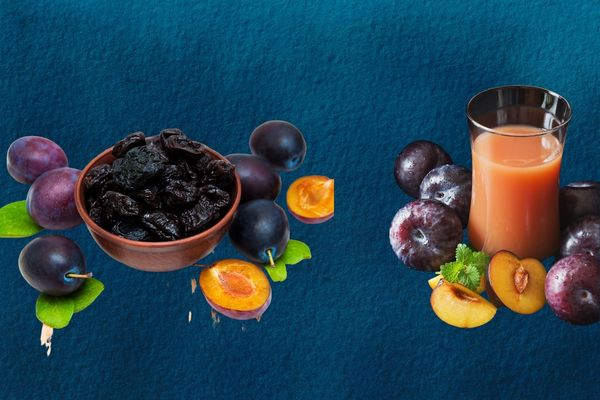
Read More: Prune Juice vs Plum Juice

Filed Under: Juice Cleanse

  • « Go to Previous Page
  • Page 1
  • Page 2
  • Page 3
  • Page 4
  • Interim pages omitted …
  • Page 38
  • Go to Next Page »

Primary Sidebar

  • Is Apple Juice A Diuretic? Everything You Need To Know
  • What is the difference between apple cider and apple juice
  • Can You Juice Garlic – How To Make It, Recipes, and the Best Juicer
  • Pickle Juice vs Apple Cider Vinegar
  • Can You Juice Broccoli? Everything You Need To Know
  • Why Do I Crave Acidic Foods? Unveiling the Tangy Temptation
  • Do You Peel Carrots Before Juicing? (A Carrot Preparation Guide)
  • How Long Do Smoothies Last – In The Fridge Or The Freezer
  • Can You Juice Mushrooms? How To Do It And Top Recipes
  • Improve Your Well-being: Discover the Benefits of Eating Prunes at Night
  • Apple Juice vs Orange Juice: The Ultimate Comparison
  • Aloe Vera Juice: Inner Fillet Vs Whole Leaf – Guide
  • Discover the Pros and Cons of Juicer vs. Vitamix Blenders
  • Centrifugal vs Cold Press Juicers: Which is Better?
  • Masticating vs Centrifugal Juicer: The Ultimate Guide

Copyright Protected By Juicer Survey @2025